Best ADHD Digital Planner for iPad, Kindle Scribe, and Remarkable in 2026

Best ADHD Digital Planner for iPad, Kindle Scribe, and Remarkable in 2026

Finding a the best ADHD digital planner that works with an ADHD brain — rather than against it — means looking beyond the pretty templates. Most digital planners are designed for neurotypical brains: busy layouts, too many sections, and decision fatigue before you’ve even started writing.

If you use an iPad, Kindle Scribe, or Remarkable, the good news is that these devices are inherently better for ADHD focus than a phone or computer. No notifications. No browser tabs. Just you and your planner. But the planner itself still needs to be designed with your brain in mind.

What Makes a Digital Planner ADHD-Friendly?

Clean, uncluttered pages with one clear purpose per spread. Overwhelm is the enemy. If you open a page and don’t immediately know what to do with it, that’s a design failure for ADHD users.
Thinking About a Custom Notion Build? Read This First

Thinking About a Custom Notion Build? Read This First

Notion is one of the best tools founders have ever had. It's flexible, powerful, and you can build almost anything inside it.

A lot of small business owners reach the same conclusion once they've been using it for a while: "I should get someone to build me a custom Notion workspace."

It makes sense. You want one place for leads, projects, content, money and planning, all set up properly, so you can stop juggling tools and tabs.

But there's a pattern many founders run into after commissioning a bespoke Notion build. Not that it was badly made. Not that the builder wasn't talented. It's this: the workspace looks impressive, but it slowly stops being used.

Notion becomes another place where information gets stored, instead of the place the business is actually run.

How I Used Claude AI to Find My Competitors’ Keywords in Under 10 Minutes

How I Used Claude AI to Find My Competitors’ Keywords in Under 10 Minutes

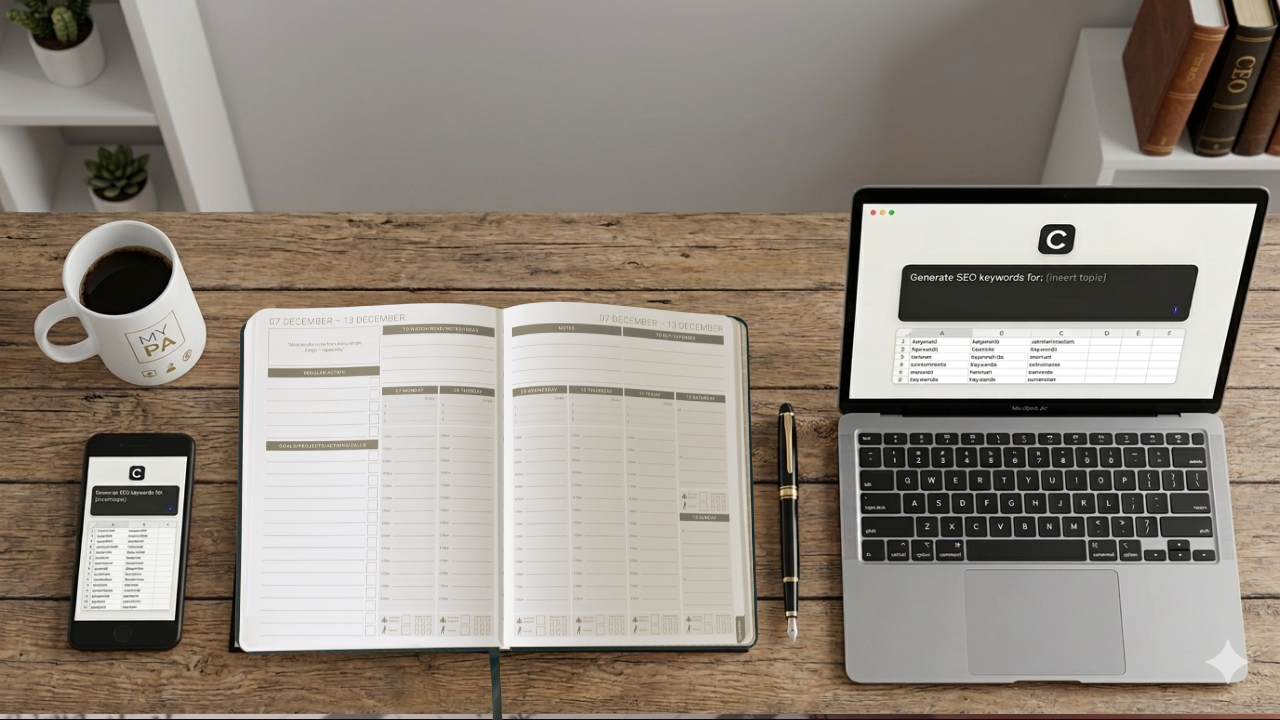
If you’re running a small business, you’ve probably heard that SEO and keyword research are important. But let’s be honest — most of us don’t have hours to spend learning complicated tools or analysing spreadsheets full of data.

That’s exactly why I started using Claude (Anthropic’s AI assistant) to do my competitor keyword research. What used to take me an entire afternoon now takes about 10 minutes — and the results are genuinely better than what I was getting on my own.

In this post, I’ll show you exactly how to do it, including the exact prompts I use. You can follow along with Claude, ChatGPT, or Gemini — the approach works with any AI assistant that has web search capabilities.

What Is Competitor Keyword Research (And Why Should You Care)?

The 5 Step Business Operating System, From Idea to Launch

The 5 Step Business Operating System, From Idea to Launch

If you are starting a business and you feel like you are guessing, this is for you.

Most people do not fail because they are not capable. They fail because they do not have a simple system that tells them what to do first, and what matters next. They bounce between ideas, overthink the details, and never build consistent momentum.

This is the 5-step operating system I use to take a business from idea to launch, in a way that feels clear and repeatable.

The simple timeline

You can do Steps 1 to 3 in a weekend, then launch within 7 to 14 days.
You do not need everything perfect. You need a clear path and consistent action.

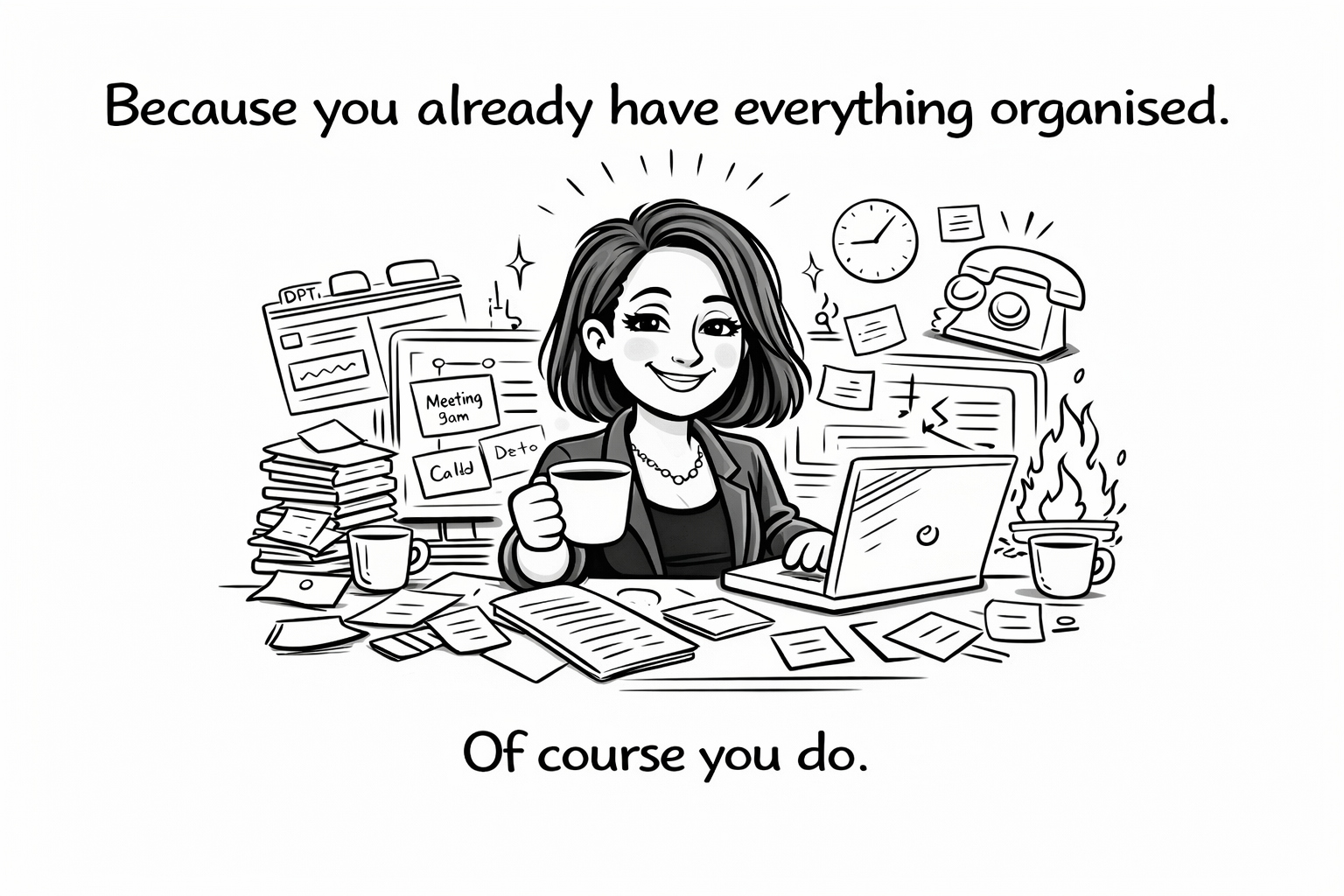
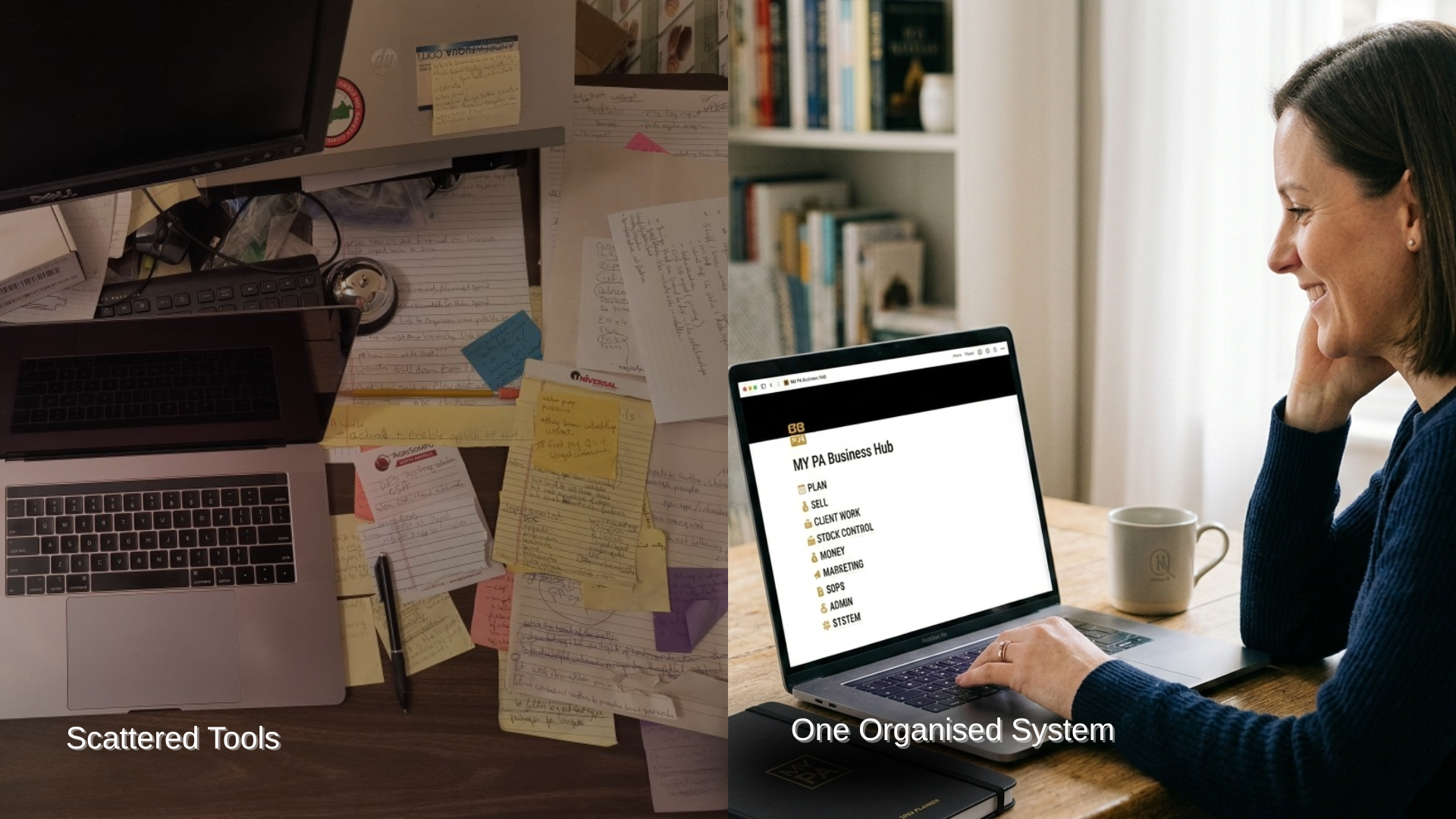
The Hidden Stress of Scattered Business Tools (and How to Fix It)

The Hidden Stress of Scattered Business Tools (and How to Fix It)

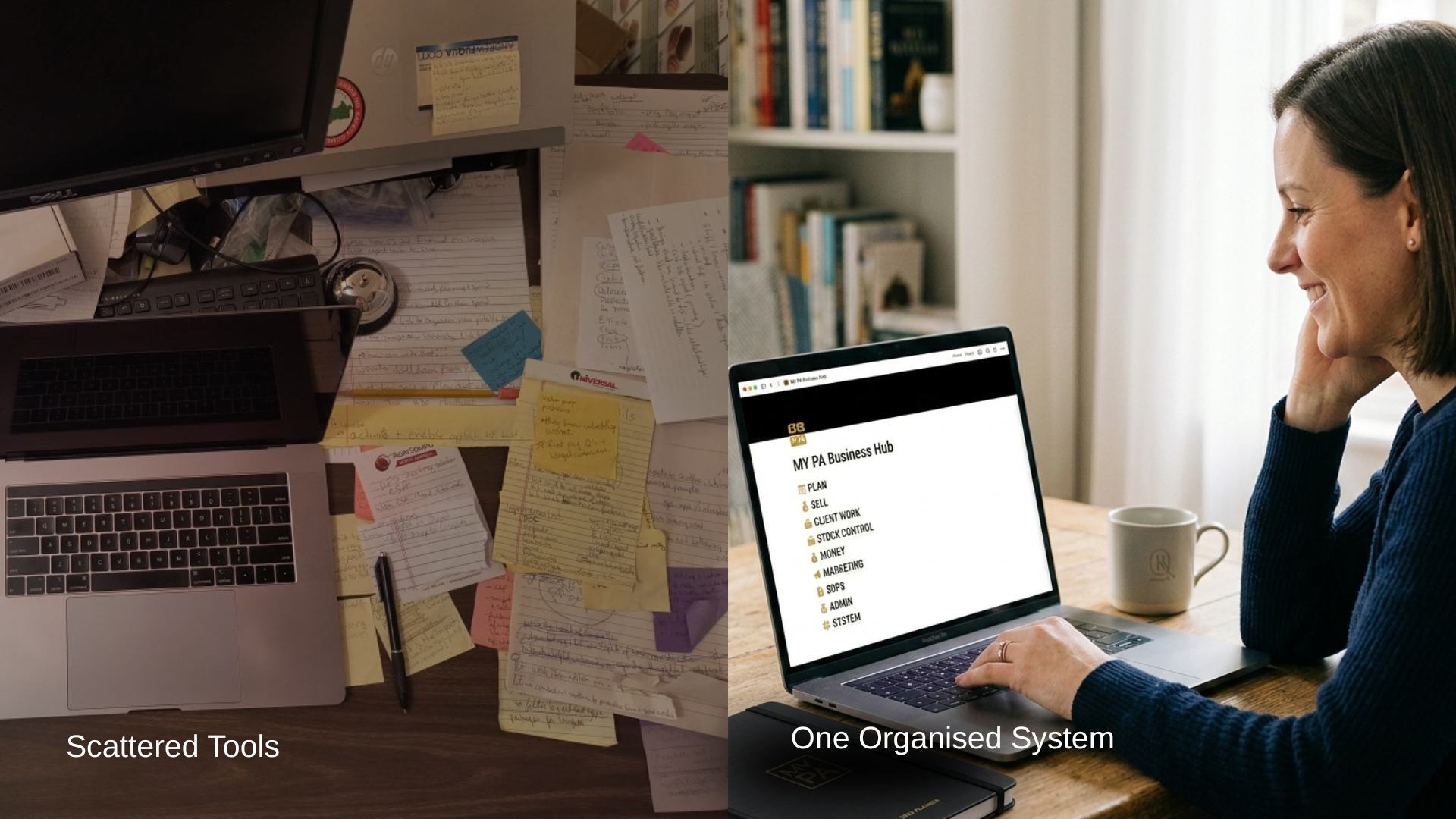
The other day I posted a poll asking founders how they currently run their businesses.

About 50% said they’re using a mix of apps and tools, kind of making it work as they go.

And I get it, that’s how most businesses start.

A note in your phone.

A task list somewhere.

Ideas in a doc.

Client stuff in email.

Money stuff in a spreadsheet.

How to Organise Small Business Finances Without Overwhelm

How to Organise Small Business Finances Without Overwhelm

Small business finances often feel messy, not because they are complicated, but because they are scattered.

Money lives across bank accounts, invoices, subscriptions, spreadsheets, payment platforms, and memory. Important details appear late, which creates stress and reactive decisions.

Financial organisation is not about doing more bookkeeping. It is about visibility.

When you can see what is coming in, what is going out, and what is expected next, decisions become calmer and more intentional.

How to Organise Leads and Sales in a Small Business

How to Organise Leads and Sales in a Small Business

Sales often feel unpredictable in small businesses, not because opportunities are missing, but because they are not tracked clearly.

Messages sit in inboxes. Conversations are remembered loosely. Follow ups depend on memory. Good opportunities quietly disappear.

Sales organisation is not about pressure. It is about continuity.

When you can see who you spoke to, what happens next, and when to follow up, sales becomes calmer and more consistent.

How to Organise Your Small Business Workflow (A Simple System)

How to Organise Your Small Business Workflow (A Simple System)

Running a small business often feels chaotic, not because you lack ideas or motivation, but because work has no clear path.

Ideas sit in notes. Tasks live on scattered lists. Admin interrupts meaningful work. Important projects stall while urgent noise takes over.

The problem is rarely effort. It is structure.

An organised business does not rely on memory or motivation. Work moves through a simple rhythm so the right things surface at the right time.

Why founders feel guilty even when they work nonstop

Why founders feel guilty even when they work nonstop

If you’re a founder, this will sound familiar.

You work all week.
You’re constantly thinking ahead.
You solve problems other people don’t even notice.

And yet, by Friday, there’s a quiet feeling that you didn’t do enough.

That guilt is confusing, because you weren’t lazy. You didn’t waste time. You worked nonstop.

So why does it still feel like you’re behind?

30 Common Small Business Mistakes (And How to Fix Them)

30 Common Small Business Mistakes (And How to Fix Them)

If you’re running a small business, these are the mistakes that quietly cost the most money, time, and momentum.

Most small businesses don’t fail because of one big error.
They struggle because small, common mistakes compound over time.

This guide breaks down 30 of the most common small business mistakes, explains why they happen, and shows how to fix them in practical, realistic ways.

Why Small Businesses Fail (Quietly)

Many business owners work hard, care deeply, and still feel stuck.
The problem is rarely effort. It’s usually lack of clarity around money, priorities, and systems.

These mistakes are common because they feel reasonable in the moment.
They only become painful later.

Founders Are Wired Differently (And That's Why Getting Things Done Is Hard)

Founders Are Wired Differently (And That's Why Getting Things Done Is Hard)

(And That’s Why Getting Things Done Is Hard)

If you are a founder, there is a good chance you have never really switched your brain off.

You spot problems early. You see opportunities everywhere. You have ideas at inconvenient moments. You care about details other people do not even notice.

You pivot. You take risks. You stay motivated when it makes no sense. You obsess over things most people would ignore.

This is not personality. It is how founders are wired.

And while this wiring is the reason businesses get built, it also creates a very real problem.

January doesn’t need more goals, it needs better ones.

January doesn’t need more goals, it needs better ones.

January has a way of making people rush.

New goals. New habits. Big plans. Fresh starts. And within days, the year already feels heavy.

Not because you are doing anything wrong, but because January pressure convinces people that everything needs fixing at once.

The result is usually the same. An overloaded plan, unrealistic expectations, and by March, a quiet sense of falling behind.

But here’s the truth most people miss.

You do not need to rush at the beginning of the year. You need to be strategic and intentional.

Design Your Life in 2026 (Before the Year Designs You)

Design Your Life in 2026 (Before the Year Designs You)

Most people don’t fail at goals.
They fail at designing the days those goals have to live inside.

That’s why January plans often collapse by February.

Not because you are lazy.
Not because you lack willpower.
But because the plan doesn’t match the life.

And life always wins.

The Truth About a “Better Year”

How to Plan Your Business and Life in 2026 on Paper

How to Plan Your Business and Life in 2026 on Paper

Planning a new year can feel heavy, especially when you are running a business and juggling everything else life brings with it. Most people do not struggle because they are lazy or unmotivated. They struggle because they are carrying too many decisions in their head with no clear system to hold them.

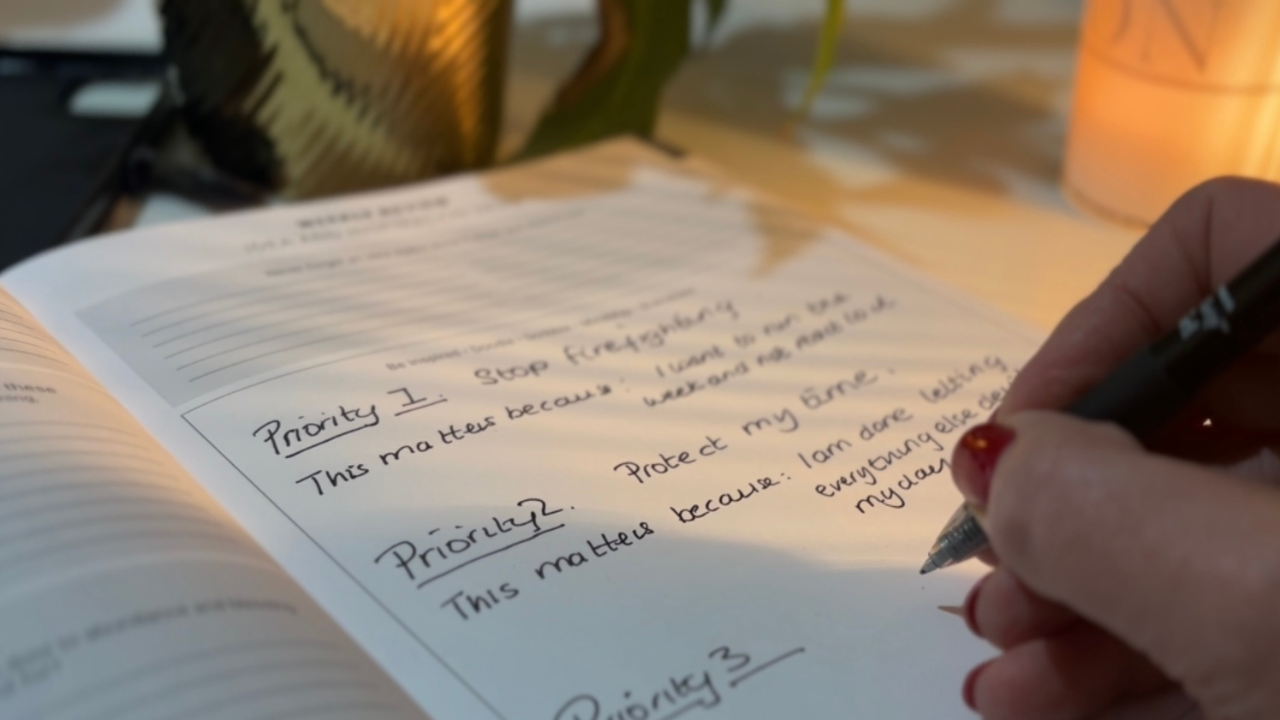
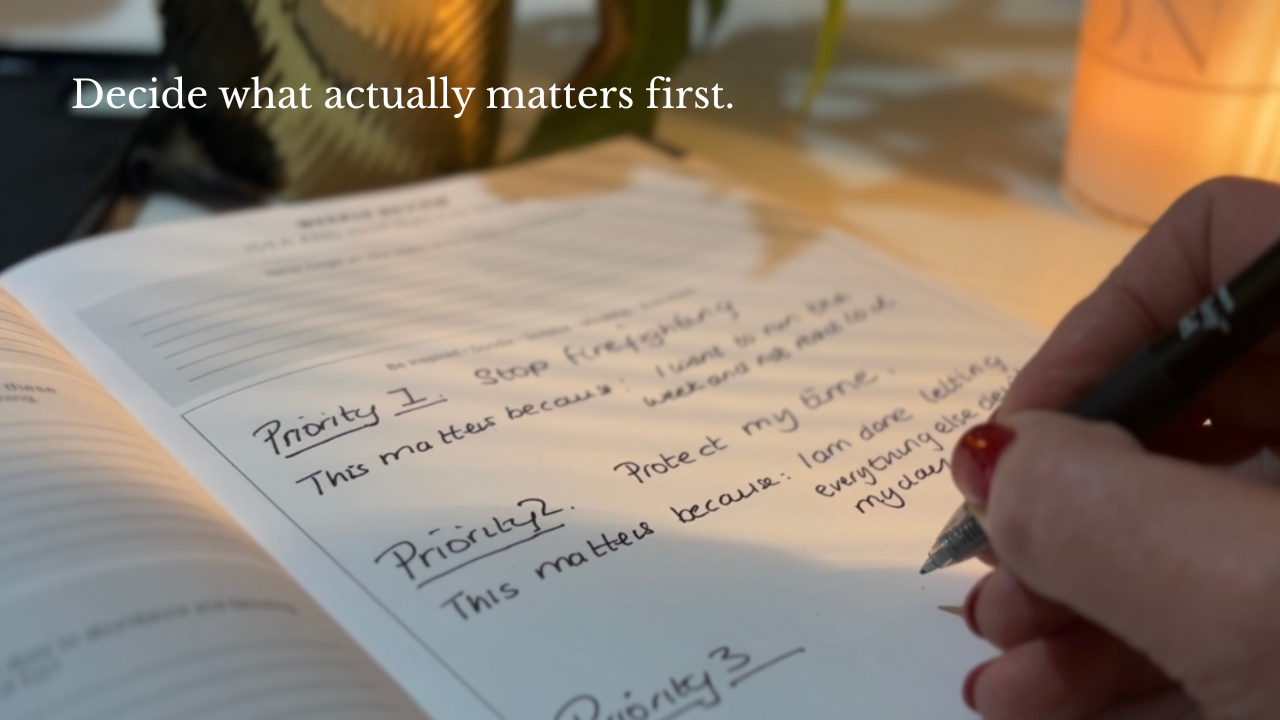
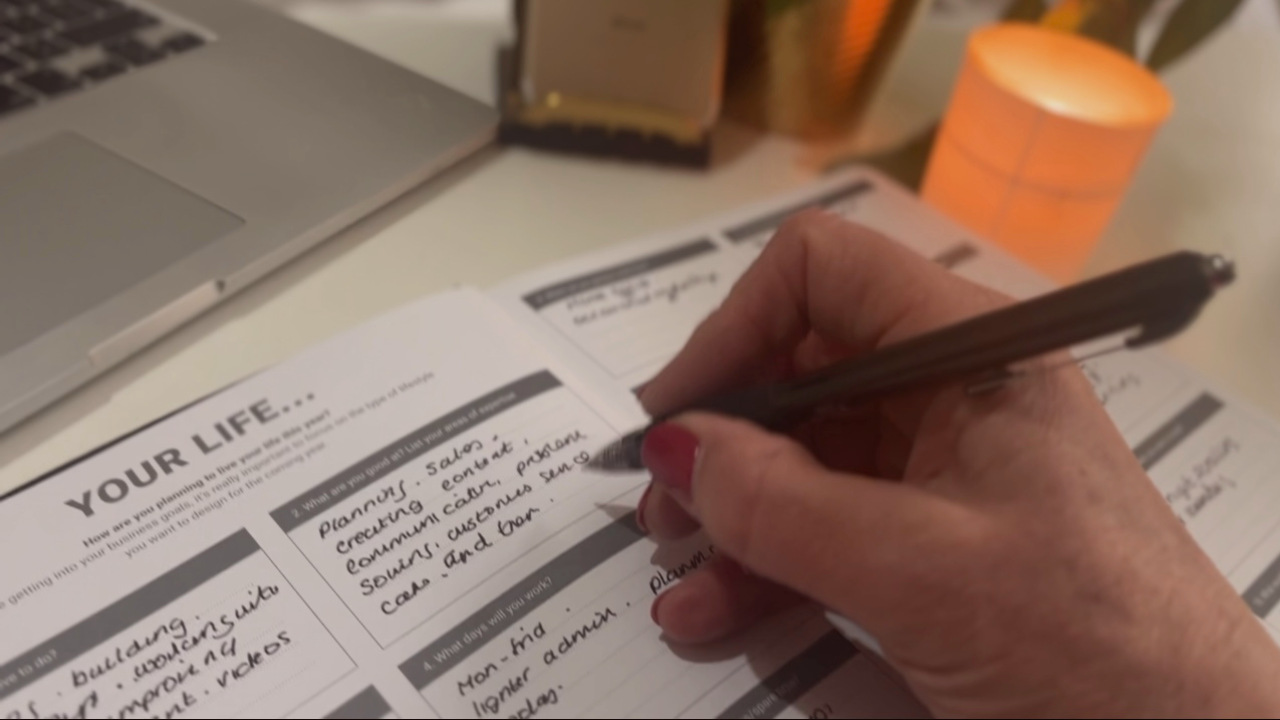
That is exactly why planning on paper still works so well. A printed planner gives you space to think, a clear overview of your time, and a simple structure you can return to every day. It helps you make decisions once, write them down, and stop rethinking everything all week.

In this guide and video, I will walk you through a realistic step-by-step way to plan your entire 2026 using a printed planner, so you can move into the year with direction, structure, and a plan you can actually stick to.

If you want to plan on paper with a clear system, you can use a [printed business planner] that is designed to take you from yearly direction to monthly planning, weekly priorities, and daily focus.

How to Use Notion for Business (A Simple, Practical Guide)

How to Use Notion for Business (A Simple, Practical Guide)

Running a business means juggling ideas, tasks, clients, finances, and plans, often all in your head. Notion can be a powerful tool for organising your business, but only if it’s set up in a way that actually supports how you work.

This guide explains how to use Notion for business in a simple, practical way, without overcomplicating things or turning it into another system you never check.

Why Use Notion for Business?

Notion works well for business because it brings everything into one place. Instead of using separate tools for planning, notes, projects, and tracking, Notion lets you connect everything together.

Used properly, Notion can help you:

How to Plan Using reMarkable 2 and reMarkable Paper Pro (Step-by-Step Guide)

How to Plan Using reMarkable 2 and reMarkable Paper Pro (Step-by-Step Guide)

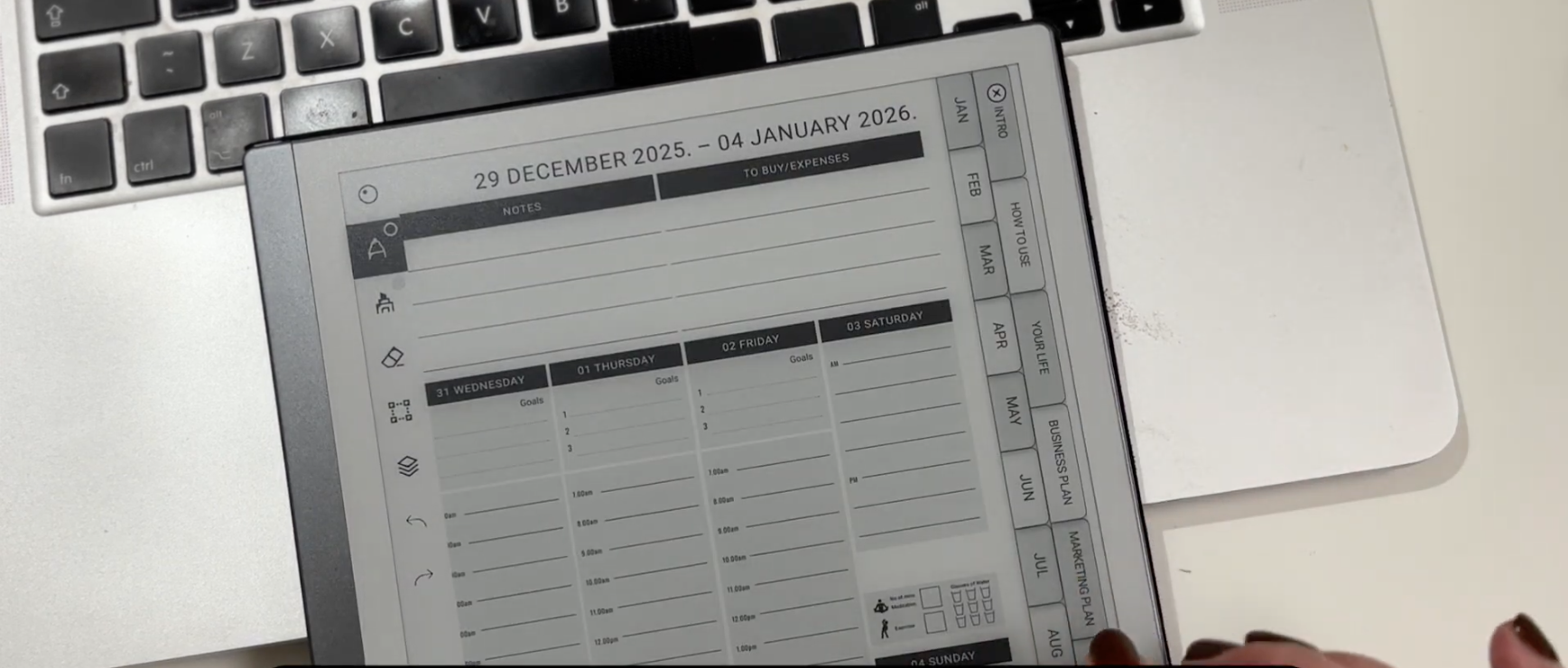
reMarkable 2 and reMarkable Paper Pro are designed for people who think better when they write things down. They remove distractions and give you space to plan, think, and focus.

But once you move beyond basic note-taking, many people run into the same issue. They have lots of notes, ideas scattered across notebooks, and no clear structure for their days or weeks.

Planning on reMarkable works best when you use a clear, repeatable planning system, rather than starting from blank pages every time.

Some people choose to use a structured digital planner PDF, such as the MY PA planner, which is designed to work well on paper-like tablets including reMarkable 2 and reMarkable Paper Pro.

How to Plan Your Best 2026 in Notion: A Complete Yearly Planning System for Real Small Business Owners

How to Plan Your Best 2026 in Notion: A Complete Yearly Planning System for Real Small Business Owners

Most small business owners aren’t short on ideas.
They’re short on structure.

And when everything lives in your head, the year disappears into firefighting, constant context switching and always “catching up”. The businesses that grow consistently have one thing most others don’t…
a real system.

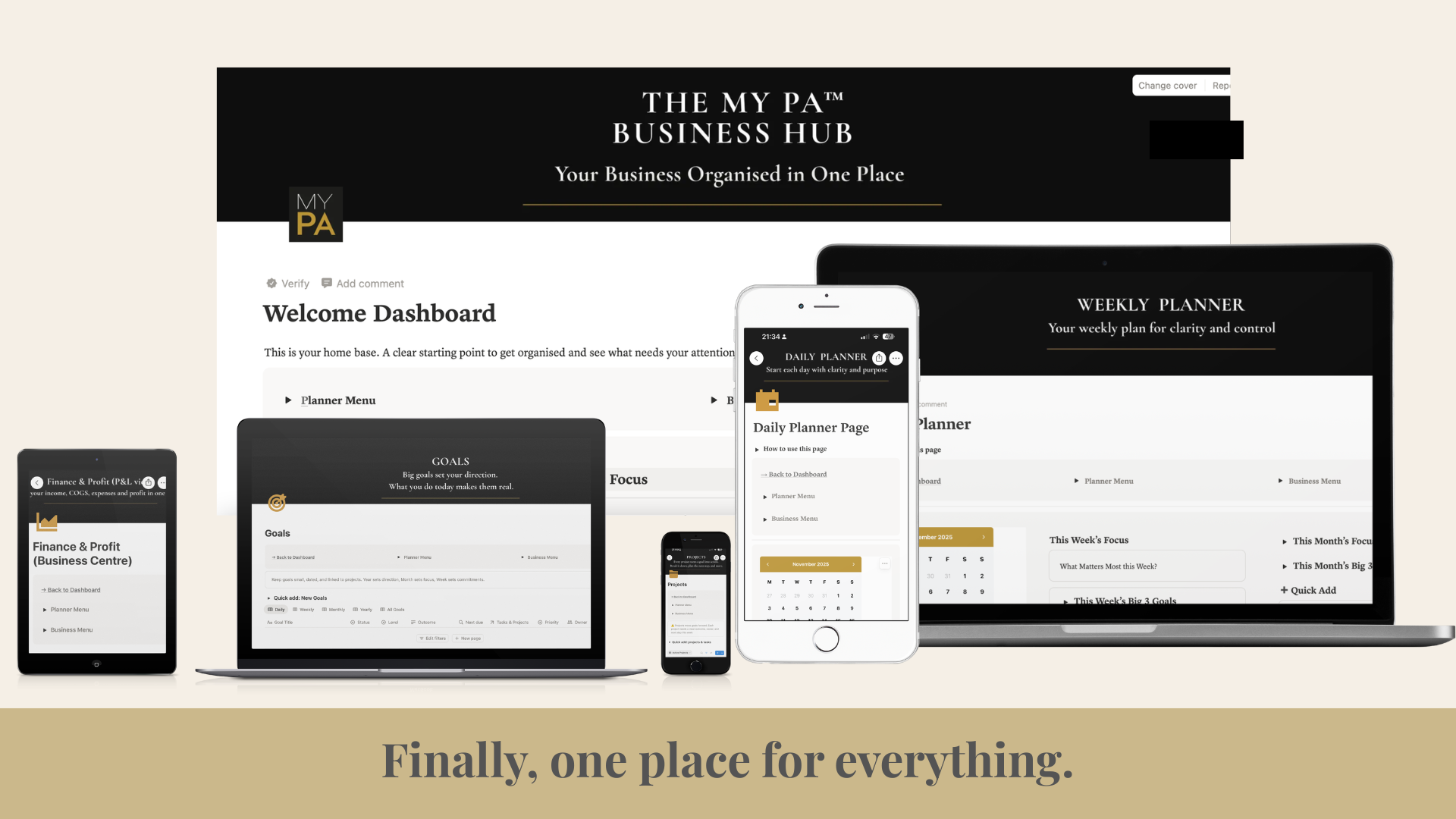
If you want to plan your best 2026, you need more than a pretty dashboard or a list of resolutions. You need a workspace that holds your vision, your business plan, your projects, your finances, your regular actions and your weekly rhythm all in one place.

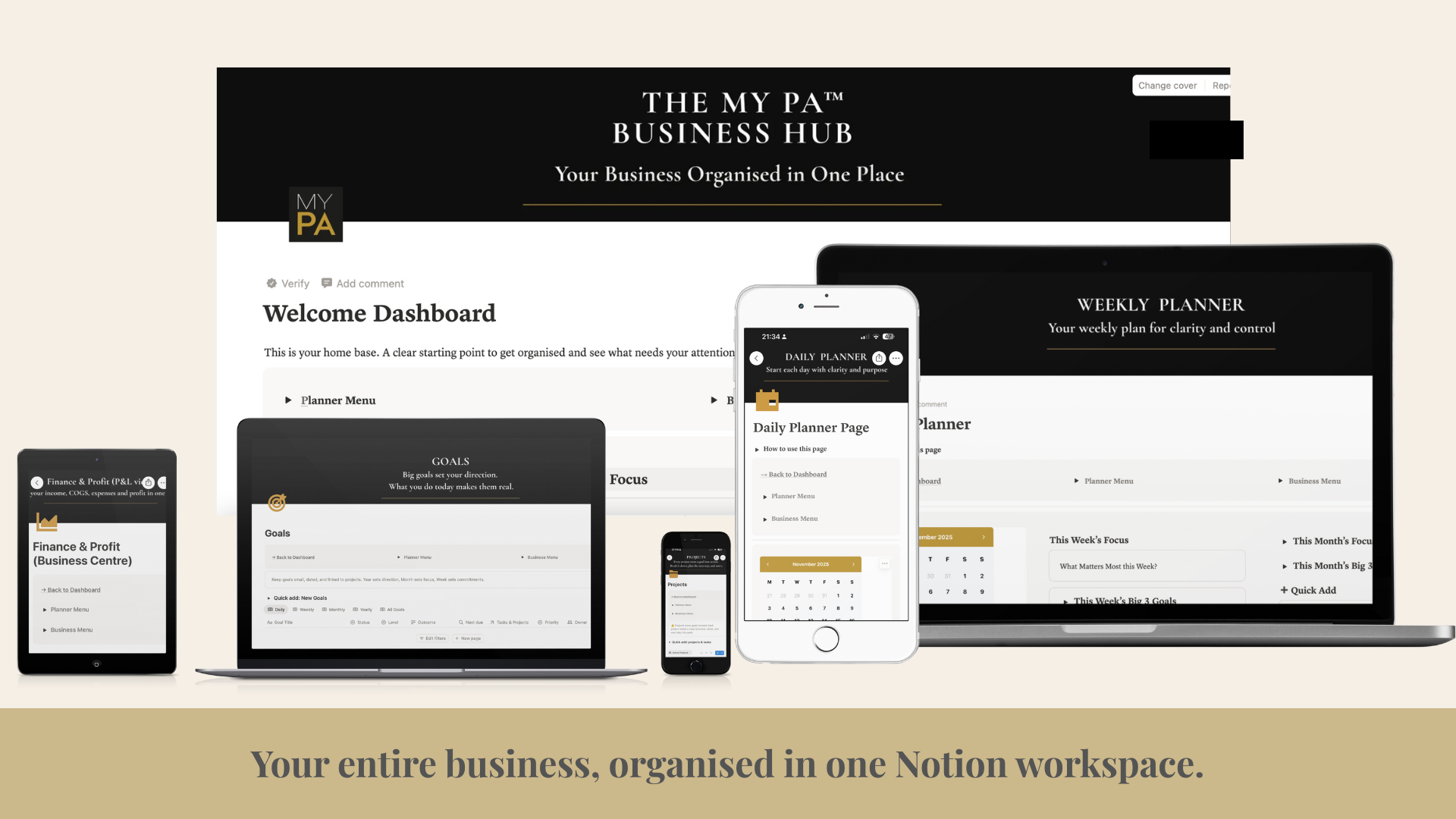
That’s exactly what the MY PA Business Hub was built for.

In this walkthrough we’ll look at how to set up your full 2026 planning system inside Notion, using the exact structure real founders use to bring order to their year.