Productivity

How to Use Notion to Run Your Small Business (Simple 2026 Guide)

Notion has become one of the most powerful tools for small business owners. Instead of juggling ten different apps, Notion lets you keep your plans, clients, projects, finances and ideas together in one clear workspace.

But the question most people have is:
“How do I actually use Notion to run my business?”

This guide breaks it down in the simplest possible way.

You’ll learn the exact structure most small business owners need, the types of pages to create, and how to keep everything organised without getting overwhelmed.

Why Notion Works So Well for Small Business Owners

Most small business owners don’t have a software problem — they have a scattered problem.

They use:

  • Asana for tasks

  • Google Docs for notes

  • Stripe for payments

  • Apple Notes for ideas

  • Spreadsheets for finance

  • Trello for projects

  • A diary for planning

  • Their head for reminders

Notion replaces all of that by creating one organised home for:

  • planning

  • clients

  • content

  • sales

  • delivery

  • finances

  • documents

  • ideas

When everything lives together, you stop firefighting and actually feel in control.

1. Start With a Simple Weekly Planning System

Before you move your entire business into Notion, begin with the basics:

  • your week

  • your goals

  • your priorities

  • your recurring tasks

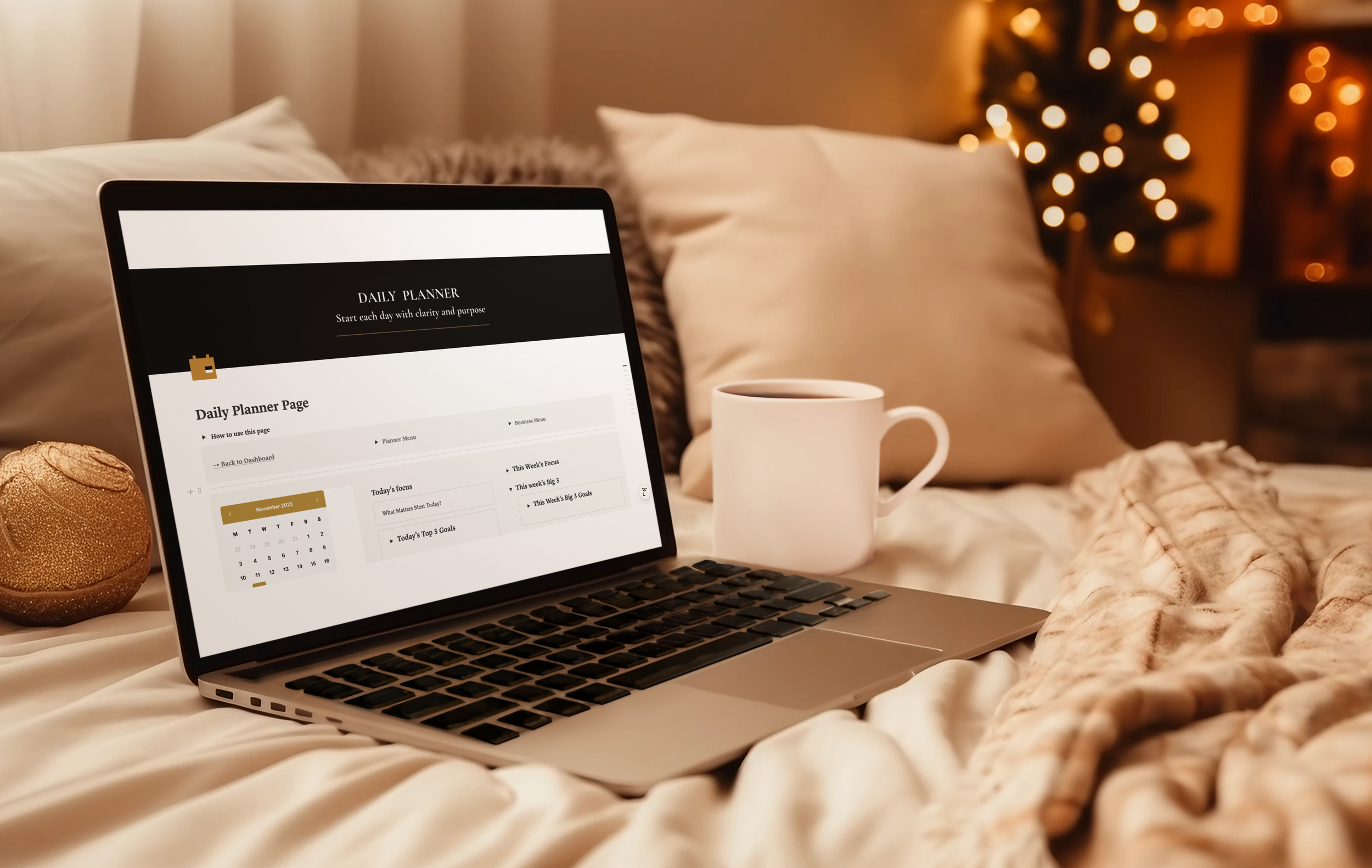
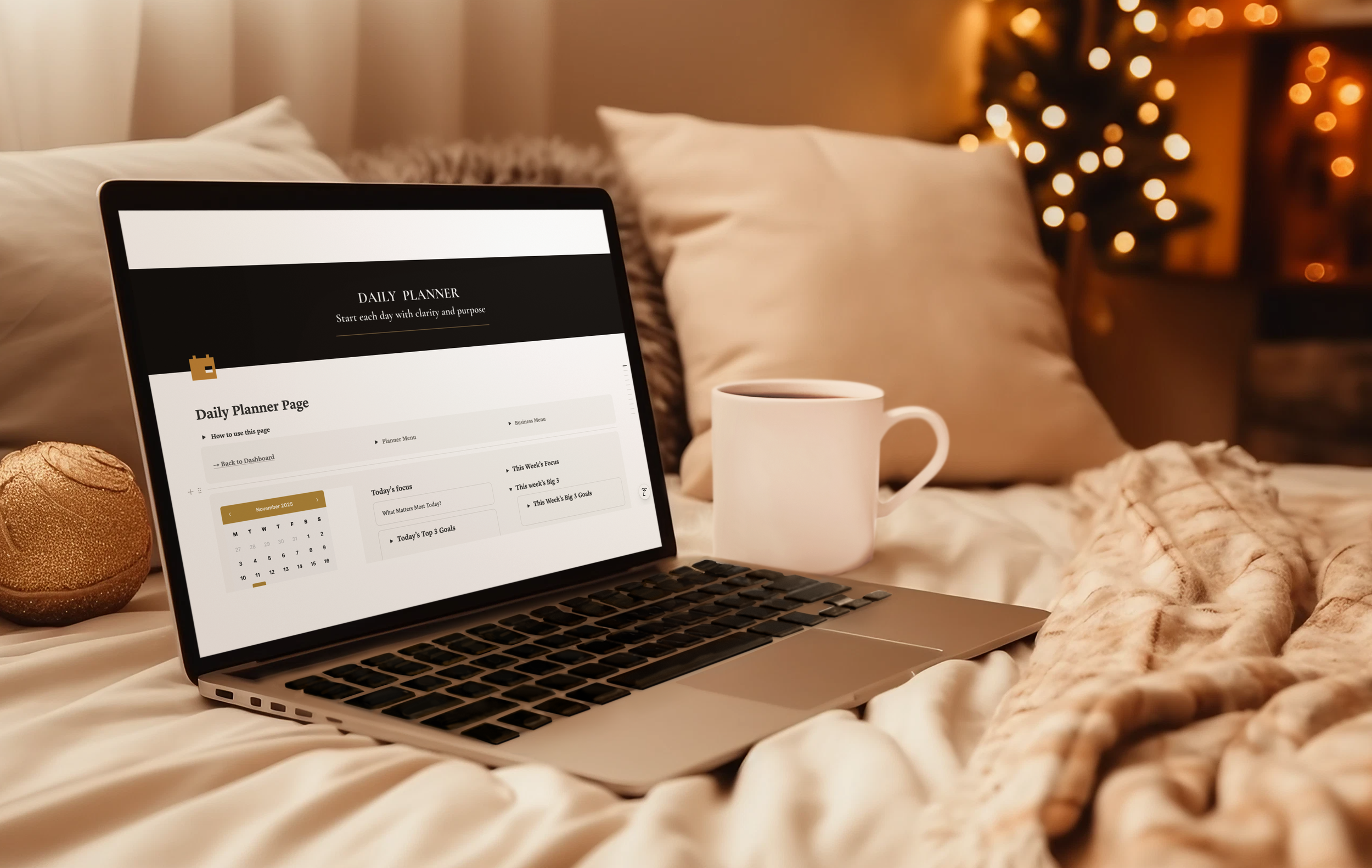
A weekly planning dashboard should include:

  • This Week’s Focus

  • This Week’s Goals

  • Today’s Tasks

  • Quick Notes

  • Calendar

  • Regular Actions (recurring tasks)

This alone will change how your business feels day to day.

👉 Internal link:
Link “weekly planning dashboard” to MY PA Notion Planner workspace.

2. Add a Task + Project System

Once your planning is in place, add a simple project dashboard:

  • Project name

  • Status (Not Started / Active / Waiting / Done)

  • Linked tasks

  • Due date

  • Notes

  • Linked client (optional)

Then create a task database with:

  • Task name

  • Due date

  • Priority

  • Status

  • Linked project

  • Linked client

This keeps everything clean and traceable instead of scattered.

3. Set Up a CRM for Leads + Clients

A CRM doesn’t have to be complex.
A simple Notion CRM helps you track:

  • enquiries

  • leads

  • follow-ups

  • client details

  • meetings

  • notes

  • what stage they’re at

This alone can prevent thousands in lost revenue each year.

👉 Internal link:
Make “simple Notion CRM” link to MY PA Business Hub for Notion.

4. Track Your Finance in One View

Small business owners often avoid finances because the tools feel too “big”.

Notion gives you a simple snapshot of:

  • upcoming payments

  • invoices

  • expenses

  • subscriptions

  • income

  • profit

  • categories

  • due dates

You don’t need accounting software for everyday visibility.
You just need one organised weekly view.

👉 Internal link:
Link “track your finance” to MY PA Business Hub Notion template.

5. Add a Content Planner for Consistency

A content planner helps you stay consistent without burning out.

Create:

  • ideas list

  • platforms (IG, TikTok, Pinterest, email)

  • weekly or monthly posting schedule

  • hooks

  • captions

  • brand messaging

  • assets

This makes content creation structured instead of overwhelming.

6. Bring Everything Together into One Business Hub

Once you have planning, projects, CRM and finances in place, you can combine them into a full Notion business hub.

A real business hub includes:

  • Weekly dashboard

  • Planner (daily → yearly)

  • Projects + tasks

  • CRM

  • Finance

  • Content

  • Documents

  • Systems

  • Meetings

  • Recurring actions

  • Quick add buttons

This is what turns Notion from “just a note-taking tool” into a business operating system.

👉 Internal link:
Make “full Notion business hub” link to MY PA Business Hub for Notion.

What’s the Best Way to Start?

If you’re at the beginning of using Notion for business:

✔ Start with the MY PA Notion Planner workspace

This is ideal if your main challenge is:

  • clarity

  • weekly structure

  • getting things done

  • reducing overwhelm

✔ When you’re ready, upgrade to the MY PA Business Hub for Notion

This is perfect if you want:

  • planning + CRM

  • clients + projects

  • finance + content

  • everything in one place

  • one calm, clear weekly view

Final Thoughts

You don’t need complicated systems.
You need a clean, calm, organised structure that helps you focus on the work that actually grows your business.

Notion is powerful, but only when it’s set up properly.
A good template creates a foundation you can build on for years.

What Is Notion And How I Use It Alongside My Planner To Run A Calm, Organised Business

What Is Notion And How I Use It Alongside My Planner To Run A Calm, Organised Business

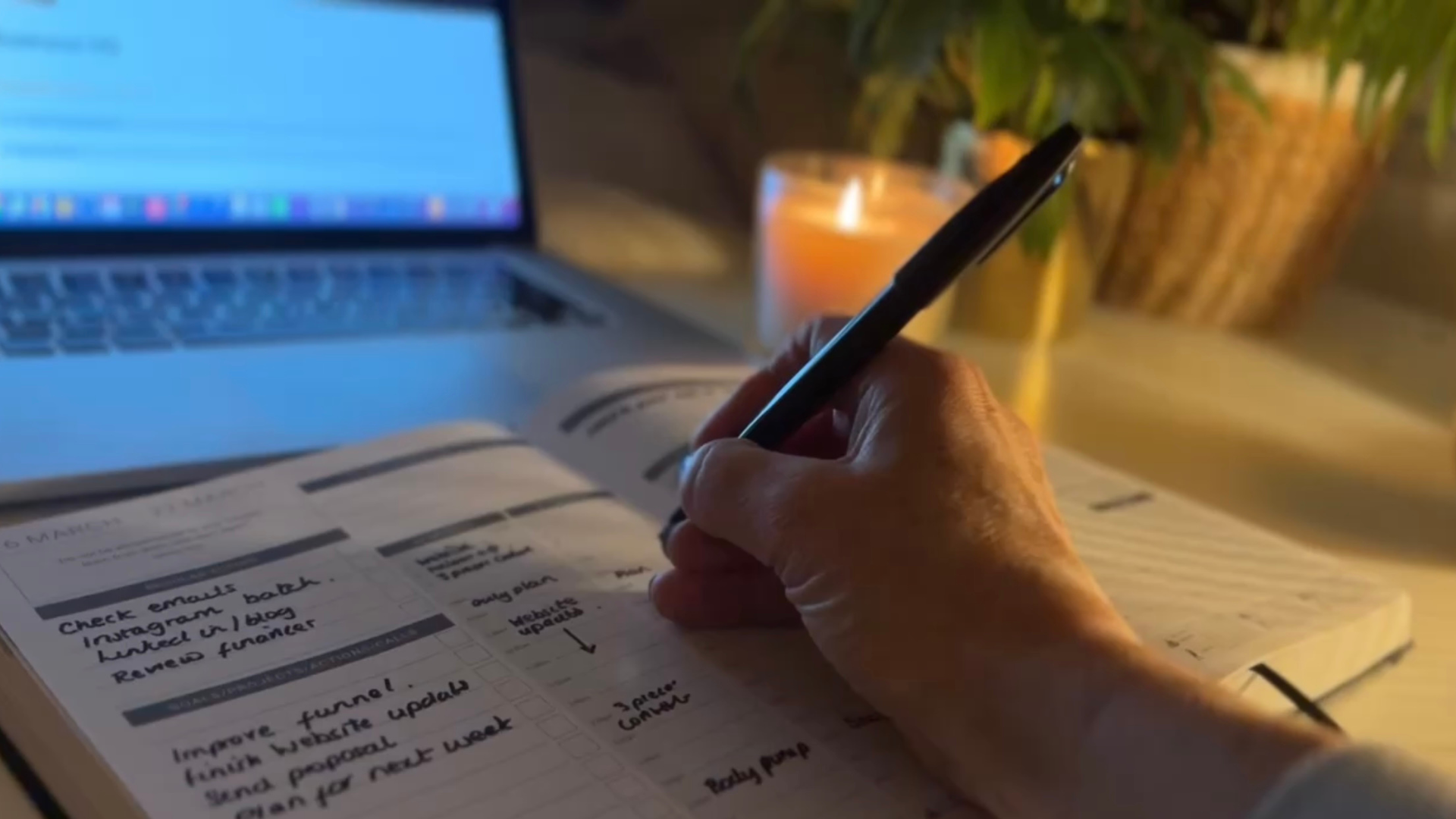
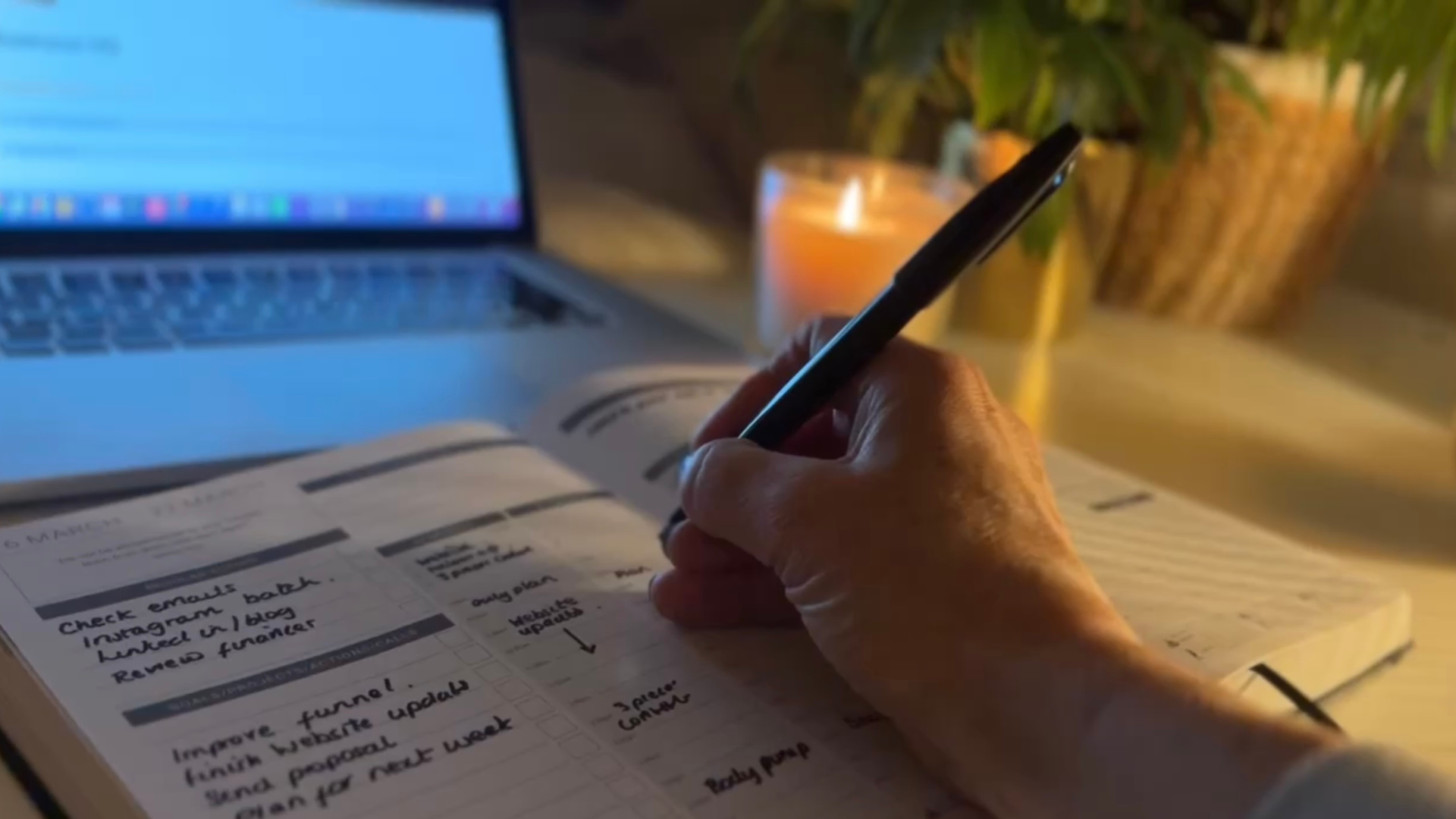
There is something grounding about opening a fresh planner.
Clean pages. A calm layout. A feeling that you are finally taking control again.

For many people, including me, pen and paper is where clarity happens.
It slows your mind down just enough to think properly.
It cuts out the noise.
It gives your week shape.

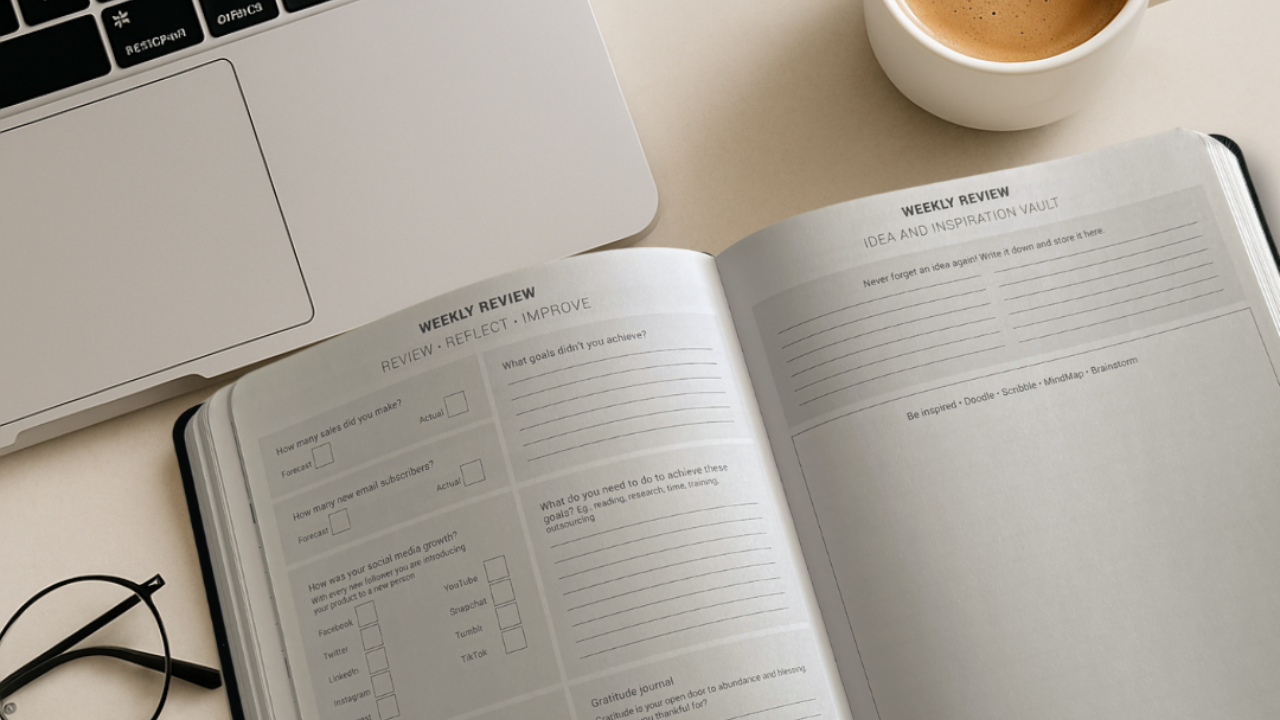
This is why MY PA has always been a paper first system.
The physical planner is the core, the anchor, the place you come back to no matter how overwhelmed life gets.

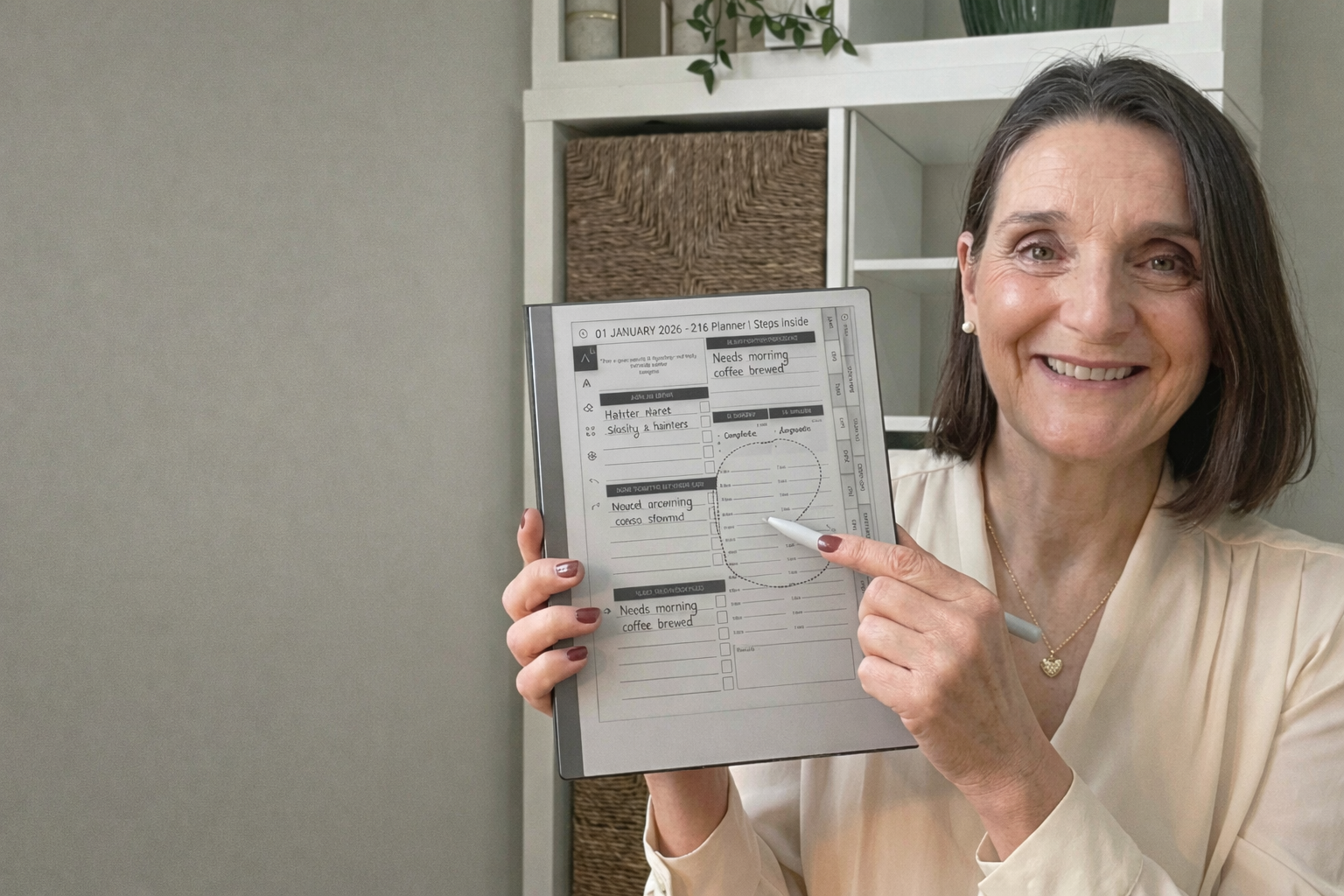
If you’re curious, this is the exact Notion workspace I use myself.

Why Running Your Business in Ten Different Places Is Making Everything Harder

Why Running Your Business in Ten Different Places Is Making Everything Harder

Most small business owners are not struggling because they’re disorganised.
They’re struggling because their business is scattered everywhere.

Projects in one app, content in another, money tracked somewhere else, client notes in a notebook, screenshots saved in your photos, reminders in your head.
It feels heavy because it is heavy.

And no one can run a business with clarity like that.

This post is for the business owners who are doing everything alone and carrying all the mental weight. If it feels messy, slow, or overwhelming, there is nothing wrong with you. You just don’t have a central system holding everything for you.

From planner pages to a full business system in Notion: the messy journey behind the MY PA Business Hub

From planner pages to a full business system in Notion: the messy journey behind the MY PA Business Hub

For the last few months, I have basically been in a cave.

On the outside it looked like “planner season as usual.” Orders going out. Emails coming in. Social posts. Real life.

On the inside, every spare hour was being poured into one question:

How do I take what MY PA does on paper and turn it into a proper business system that lives in Notion.

I thought it would be simple. A few databases. Some views. A nice dashboard.

It wasn't simple.

At several points I seriously considered walking away from it and pretending I never started.

The idea that would not leave me alone

For years, I have watched customers use the MY PA Planner as their weekly control centre. They plan their goals, block their time, review their weeks and actually move things forward.

But there was always this gap.

They were still running the business in their head. Leads. Client work. Invoices. Content. Ideas. To-dos. All in mental tabs.

The Best Planning System for 2026 (Real Entrepreneur Edition)

The Best Planning System for 2026 (Real Entrepreneur Edition)

How to Stay Aligned With Your Big Vision Every Month, Week and Day

Most small business owners do one of two things for the new year:

  • They write a big plan, then never look at it again.

  • Or they wing it week to week and hope it somehow adds up.

Neither really works.

The truth is, you need both:

  1. A clear big plan for 2026.

  2. A simple way to bring that plan into your months, weeks and days.

The Only 3 Things You Need for a Productive 2026

Most entrepreneurs believe they need motivation, perfect routines or complicated systems to stay productive. The truth is much simpler. A productive year comes from a few core habits done consistently, not endless lists or rigid plans.

If you want 2026 to feel clear, organised and manageable, you only need three things. These three things create the structure and consistency that make your business easier to run.

The Simple Monthly Reset for 2026

A monthly reset is one of the most powerful habits you can build. It gives you clarity at the start of every month, helps you stay focused on what matters and protects you from drifting or getting overwhelmed.

Here is your simple 2026 monthly reset that takes less than an hour and keeps your business moving forward all year.

How to Use Time Blocking in 2026 (Simple Guide)

How to Use Time Blocking in 2026 (Simple Guide)

Time blocking is one of the simplest and most effective ways to stay focused and organised. It helps you protect your priorities, reduce overwhelm and make sure you are working on the things that actually move your business forward.

In 2026, more entrepreneurs are choosing time blocking over traditional to-do lists because it removes the chaos and gives you a clear rhythm for your days.

Here is a simple guide to help you start using time blocking in 2026.

Which Planner Should I Use in 2026? (Comparison Guide)

Which Planner Should I Use in 2026? (Comparison Guide)

Choosing the right planner for 2026 can feel overwhelming. There are so many options, each promising organisation, productivity and a better year. But most planners are designed for general life, not for entrepreneurs running a real business.

If you want 2026 to feel more focused, more structured and less chaotic, you need a planner that actually supports the way you work. This guide compares the most common types of planners and helps you choose the one that will genuinely carry you through the year.

2026 Productivity Trends: What Real Entrepreneurs Are Doing to Stay Focused Next Year

2026 Productivity Trends: What Real Entrepreneurs Are Doing to Stay Focused Next Year

Productivity is changing. Entrepreneurs are no longer chasing hustle culture, colour-coded schedules or unrealistic morning routines. In 2026, the most successful small business owners are choosing simplicity, clarity and systems that protect their energy instead of draining it.

If you want to feel more organised and focused next year, here are the productivity trends real entrepreneurs are leaning into for 2026.

How to Build a Simple Weekly Planning Ritual for 2026

How to Build a Simple Weekly Planning Ritual for 2026

A successful year does not come from big goals or perfect motivation. It comes from the small weekly decisions you make, week after week. The truth is simple: when your week is organised, your business feels lighter, clearer and more manageable.

A weekly planning ritual gives you structure without pressure. It creates a rhythm that keeps you focused and removes the feeling of constantly catching up.

Here is how to build a simple weekly planning ritual that will support you throughout 2026.

The 2026 Reset Guide: How to Close 2025 Strong and Build a Better Year

The 2026 Reset Guide: How to Close 2025 Strong and Build a Better Year

The end of the year can feel heavy for many small business owners. You look back at everything you wanted to do, everything you pushed aside and the goals that are still waiting for you. It is easy to feel frustrated or behind, especially if the year felt messy or chaotic.

A proper year end reset gives you clarity, confidence and a clean slate. You can close 2025 in a calm, intentional way and step into 2026 with focus instead of pressure.

Here is a simple reset guide to help you finish strong and build a better year ahead.

2026 Goal Setting for Entrepreneurs: How to Make Sure This Is the Year You Move Forward

2026 Goal Setting for Entrepreneurs: How to Make Sure This Is the Year You Move Forward

Goal setting is one of the most powerful things you can do for your business, yet most entrepreneurs approach it in a way that guarantees frustration. They set too many goals, choose vague targets or rely on motivation to carry them through the year. By February, everything feels overwhelming again.

If you want 2026 to be the year you actually move forward, your goals need to be simple, focused and supported by a planning structure that makes follow through easy.

Here is how to set goals that work for real business owners.

10 Mistakes Entrepreneurs Make When Planning Their Year (and How to Avoid Them in 2026)

10 Mistakes Entrepreneurs Make When Planning Their Year (and How to Avoid Them in 2026)

Most entrepreneurs do not struggle because they are lazy or unmotivated. They struggle because they are overwhelmed, carrying everything in their head and reacting to whatever comes in. When planning your year, the smallest mistakes create the biggest stress later.

If you want 2026 to feel more organised, calm and consistent, here are the 10 common planning mistakes and how to avoid them.

Why Most Planners Fail and How to Choose One That Actually Helps You Grow Your Business in 2026

Why Most Planners Fail and How to Choose One That Actually Helps You Grow Your Business in 2026

Most planners look beautiful, but they do very little to actually support a real business. They are full of empty boxes, aesthetic quotes and clean layouts, but when you sit down to plan your week, they feel useless. Nothing connects. Nothing lines up. You end up writing the same to-do lists every day and still feeling behind.

This is why most people stop using their planner by February.

If you want 2026 to feel more structured, more productive and more stable, the problem is not you. The problem is the planner.

The Ultimate 2026 Business Planning Checklist

The Ultimate 2026 Business Planning Checklist

Planning your business year should not feel overwhelming. It should feel clear, calm and organised, with a simple structure that makes every month easier. Most small business owners try to plan everything in their head and end up feeling behind before the year even begins.

This 2026 Business Planning Checklist gives you a step by step way to prepare for the year ahead so you can stay focused, protect your time and move your business forward with confidence.

Use this checklist as your starting point for 2026, then repeat it every month and week to stay on track.

How to Plan Your Business Year in 2026: A Step-by-Step Guide

How to Plan Your Business Year in 2026: A Step-by-Step Guide

Planning your business year is one of the most powerful things you can do to protect your time, your energy, and your income. Most small business owners carry everything in their head, react to whatever comes in, and hope it somehow works out. It rarely does.

2026 can be different. With a clear structure and a simple planning rhythm, you can create a year that feels focused, steady, and profitable rather than chaotic and exhausting.

This guide walks you through the exact steps to plan your business year properly for 2026, using a system that works month after month.

How to Beat Procrastination – Why We Delay and How to Stop

How to Beat Procrastination – Why We Delay and How to Stop

Why we procrastinate

Most people think procrastination is about poor time management, but that’s rarely true. At its core, procrastination is emotional.

  • Fear of failure – You delay because starting makes the risk of failing real.

  • Fear of success – Growth brings new responsibilities and pressure, so you hold back.

  • Perfectionism – You wait for the “perfect” idea, draft, or plan, which never comes.

  • Overwhelm – The task feels so big and unclear that your brain chooses easy distractions instead.

The Daily Top 3 Method - How to Stay Focused Every Day

The Daily Top 3 Method - How to Stay Focused Every Day

Why your to-do list is working against you

Most entrepreneurs start the day with a long to-do list. By the evening, half the tasks are untouched and guilt sets in. The problem isn’t laziness — it’s overload.

A never-ending list creates decision fatigue. You don’t know where to start, so you bounce between tasks, answering emails, putting out fires, and never making progress on the things that truly matter.

The MY PA System – Plan, Focus, Execute

Why most planning systems fail

Entrepreneurs often juggle too many ideas at once. Some buy productivity tools, some download dozens of templates, and others rely on sticky notes scattered across their desks. The problem isn’t a lack of ambition — it’s the lack of a clear, repeatable system.

That’s why we built the MY PA system. It was designed to work for real entrepreneurs, not productivity gurus with unlimited free time. At its heart are three simple but powerful steps: Plan. Focus. Execute.

Step 1: Plan monthly

At the start of each month, you set up to five core goals. These goals aren’t vague resolutions, but clear, measurable outcomes. Each goal is then broken into projects and mapped into your monthly view.

Why monthly?

  • A year is too long — you’ll drift off course.

  • A week is too short — it feels like firefighting.

  • A month is just right — long enough to make progress, short enough to stay motivated.

👉 Example:

  • Goal: Gain 5 new paying clients.

  • Projects: Update service page, launch LinkedIn campaign, run 3 sales calls per week.

Step 2: Focus weekly

Every Sunday or Monday, you zoom in on your weekly priorities. From your projects, you choose the tasks that will move your goals forward this week. This prevents overwhelm and stops you from reacting to whatever feels urgent.

The weekly section in the MY PA planner helps you:

  • Review last week’s wins and lessons.

  • Choose 3–5 priorities for the week.

  • Time block the most important tasks.

This rhythm keeps your business moving forward in a straight line, not in circles.

Step 3: Execute daily

Big goals don’t get achieved in one heroic day. They happen through small, focused steps repeated consistently.

That’s why MY PA includes the Daily Top 3 Method — a simple but powerful practice. Each day, you choose the three tasks that matter most. If you complete nothing else, finishing these three will still move your business forward.

Pairing this with time blocking ensures those tasks actually get done, instead of being pushed aside by distractions.

The magic is in the connection

The real power of the MY PA system isn’t in any single step. It’s in how monthly planning, weekly focus, and daily execution fit together.

  • Monthly keeps your direction clear.

  • Weekly keeps your progress steady.

  • Daily keeps your actions sharp.

Most people plan, but they don’t connect the dots. MY PA makes sure every action you take is linked to your bigger goals.

Common pitfalls to avoid

  • Planning too many goals — stick to five or fewer.

  • Skipping weekly reviews — they’re the glue that keeps the system working.

  • Focusing on “busy work” instead of top priorities.

  • Forgetting to time block — without scheduling, important tasks often get lost.

Final thoughts

The MY PA system gives you structure without overwhelm. It’s not about filling every minute with tasks. It’s about working smarter — planning your direction, focusing on what matters, and executing daily with clarity.

👉 Download the Free Business Planner to try the MY PA system for yourself. Start with monthly goals, focus your week, and execute with confidence.

Go further

MY PA Business Planner 2026

Need more than a one-pager?

MY PA Business Planner (physical & digital) helps you plan weekly, track goals, and stay accountable.

See the Planner
Business Starter Kit

Ready for the complete system?

The Business Starter Kit bundles the planner with templates, financial tools, and a 30-day roadmap.

Explore the Starter Kit
Investor Kit

Raising funding?

Get investor-ready with structured planning, forecasts and checklists. (Investor Kit link set to Starter Kit as requested.)

See Investor Kit