

Most small business owners know they should have a business plan. Most of them don’t have one.
Not because they don’t understand why it matters. But because every business plan template they find is either a 40-page corporate document written for investors, or so vague it gives them nothing to work with.
This guide gives you something different: a practical way to write a business plan that is useful to you, the person running the business, plus a free business plan template you can download and complete today.
What Are the 7 Steps to Writing a Business Plan?
The 7 steps are:
Write a business overview
Define the problem you solve
Describe your target customer
List your products or services
Map your revenue model
Plan your marketing
Set your goals for the next 12 months
Each step becomes one section of your plan. We’ll go through them one at a time below.
Why You Need a Business Plan (Even If You’re Not Seeking Funding)
The biggest misconception about business plans is that they’re for banks and investors. That’s one use. The more important one is that a business plan forces you to think clearly about your business before you’re in the middle of running it.
A good business plan answers the questions that matter most:
What problem does your business solve, and for whom?
How do you make money, and is the model sustainable?
Who are your competitors, and why will customers choose you?
What does success look like in one year, three years, five years?
What do you actually need to get there?
Without a plan, you make these decisions reactively, in the middle of a busy week, under pressure. With a plan, you’ve already thought them through.
How Long Should a Small Business Plan Be?
Short enough that you’ll actually use it.
A small business plan does not need to be 40 pages. It doesn’t need a SWOT analysis, a Porter’s Five Forces model or a three-year financial projection to four decimal places.
It needs to be clear, honest and specific. For most small businesses that means five to eight pages, and some can do it in three. If you want the shortest possible version, read our guide on how to write a one-page business plan.
The test isn’t length. It’s whether you could hand the plan to someone who doesn’t know your business, and they would understand what you do, who you serve, how you make money and where you’re going.
Step 1: Write Your Business Overview
One paragraph. What does your business do, who does it serve, and what makes it different?
Example: MY PA Planner designs and sells physical and digital business planners for small business owners. Unlike generic planners designed for students or corporate teams, every section is built around the challenges of running a small business, from goal setting and project planning to financial tracking and marketing.
Write yours now. If you can’t do it in one paragraph, your positioning isn’t clear enough yet.
Step 2: Define the Problem You Solve
What problem does your ideal customer have before they find you? What have they already tried that hasn’t worked? Why does your solution work better?
Be specific. “Small business owners struggle with organisation” isn’t specific enough. “Small business owners buy generic planners that aren’t designed for how a business works, so they abandon them by February” is.
The clearer you are about the problem, the easier everything else becomes: your marketing, your product development and your customer conversations.
Step 3: Describe Your Target Customer
Describe your ideal customer in detail. Not a demographic. A person.
What is their situation? What do they want? What is stopping them? What have they already tried? Where do they spend time online?
If you already have customers, look at your best ones: the people who get the most value from what you do, refer others and come back. That is your target customer.
Step 4: List Your Products or Services
List what you sell. For each one, note:
What it is
What it costs the customer
What it does for the customer
What it costs you to deliver
Keep it simple. You’re not writing a product catalogue. You’re mapping where your money comes from.
Step 5: Map Your Revenue Model
How do you make money? Walk through the numbers:
How many sales do you need each month to hit your income target?
What is your average order value?
What are your main income streams?
What is your break-even point, the minimum monthly revenue that covers all your costs?
If you haven’t done this exercise, do it now. The numbers are almost always surprising. Our guide to break-even explained shows you how to work it out, and how to set business goals for 2027 connects your revenue targets to your annual goals.
Step 6: Plan Your Marketing
How will people find you? Focus on two or three channels at most. For each one:
Who are you reaching?
What is your message?
What does success look like?
You don’t need a detailed marketing strategy here. You need enough to show you have a clear, realistic plan for getting in front of the right people. For the full framework, read how to write a one-page marketing plan.
Step 7: Set Your Goals for the Next 12 Months
Three to five goals. Not ambitions: goals with numbers and deadlines.
Examples:
Reach £6,000 a month in revenue by June 2027
Grow the email list from 800 to 3,000 subscribers by December 2027
Launch a digital product that makes £5,000 in its first month by April 2027
These goals become the anchor for everything else: your monthly planning, your weekly priorities and your daily decisions all connect back here.
What Are the 5 C’s of a Business Plan?
The 5 C’s are a quick way to check your plan covers everything that affects your business: Company, Customers, Competitors, Collaborators and Context.
Company: what you do, what you’re good at and what makes you different. This is your business overview.
Customers: who buys from you and why. This is your target customer section.
Competitors: who else your customer could choose, and why they should choose you instead.
Collaborators: the suppliers, partners and freelancers you rely on. If one of them let you down tomorrow, what would happen?
Context: the things outside your control, like the economy, seasons, new regulations or changes in your industry.
If you’re applying for a loan, you may also hear about the 5 C’s of credit: character, capacity, capital, collateral and conditions. That’s what a lender checks before saying yes. A clear revenue model and realistic goals answer most of them.
Download the Free Business Plan Template
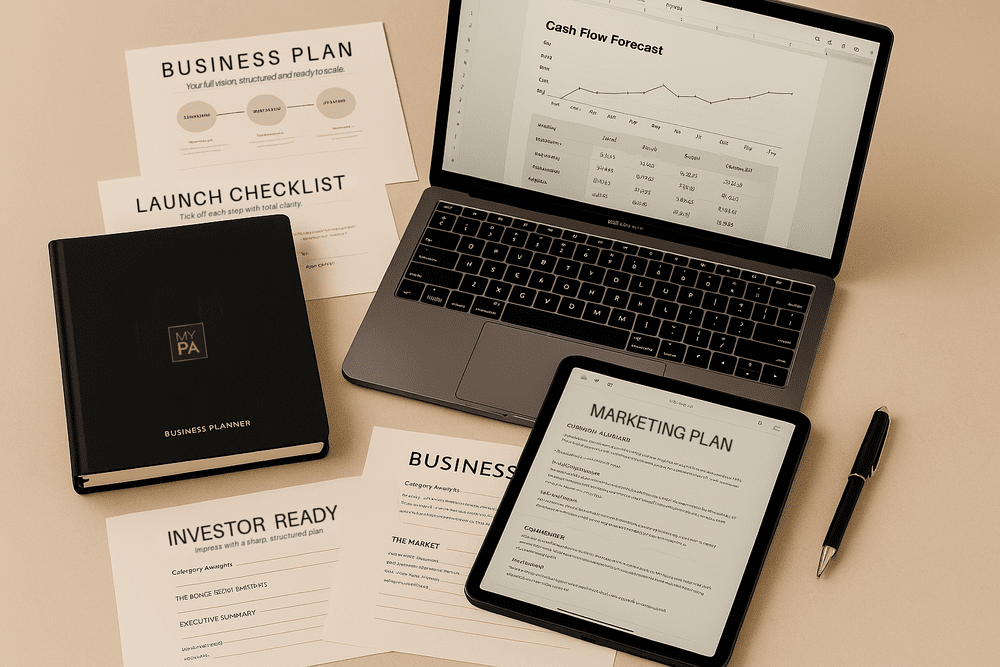
We’ve made a free business plan template for small businesses that covers all seven steps above. It’s designed to be completed in one sitting, about two hours, and gives you a working plan you can use straight away.
Download the free business plan template here.
Once You Have a Plan, Use It
The most common mistake with business plans is writing one and filing it away. A plan is only useful if you come back to it.
Review yours every quarter. Are you on track? Have your goals changed? Does your target customer description still hold?
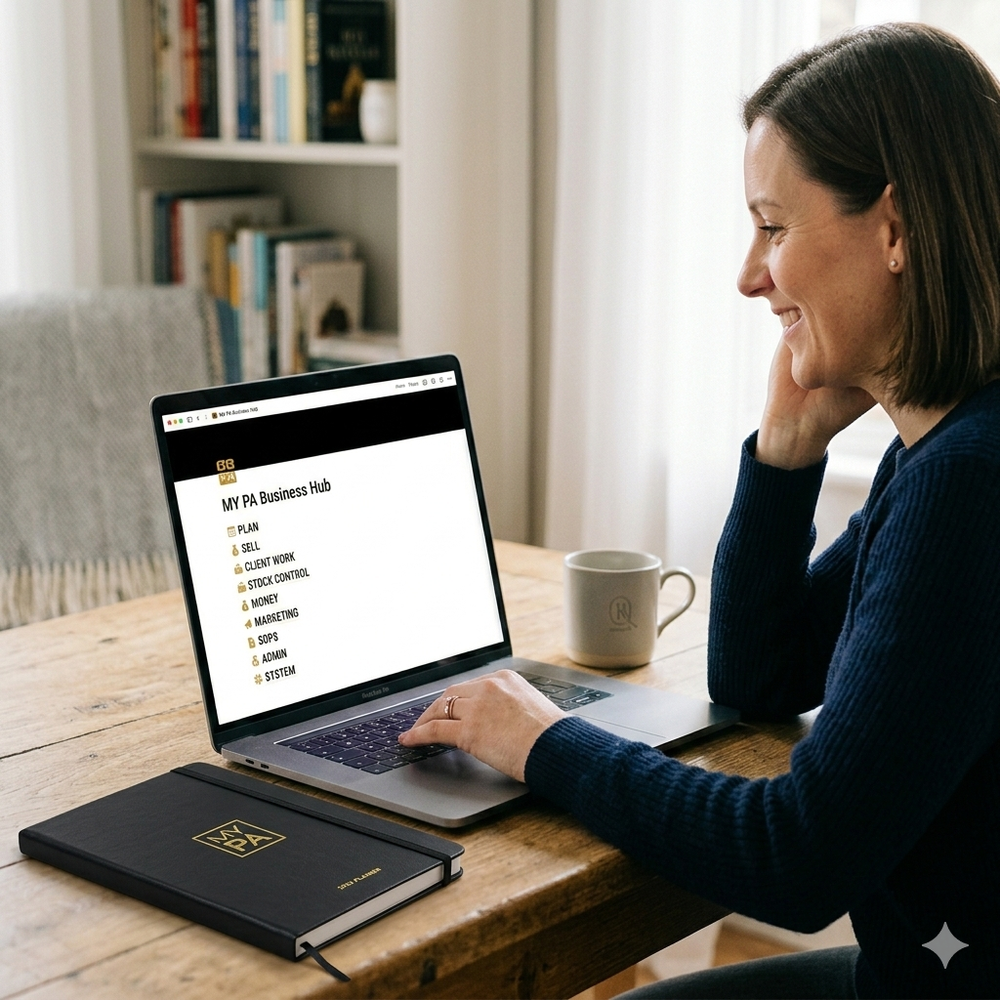
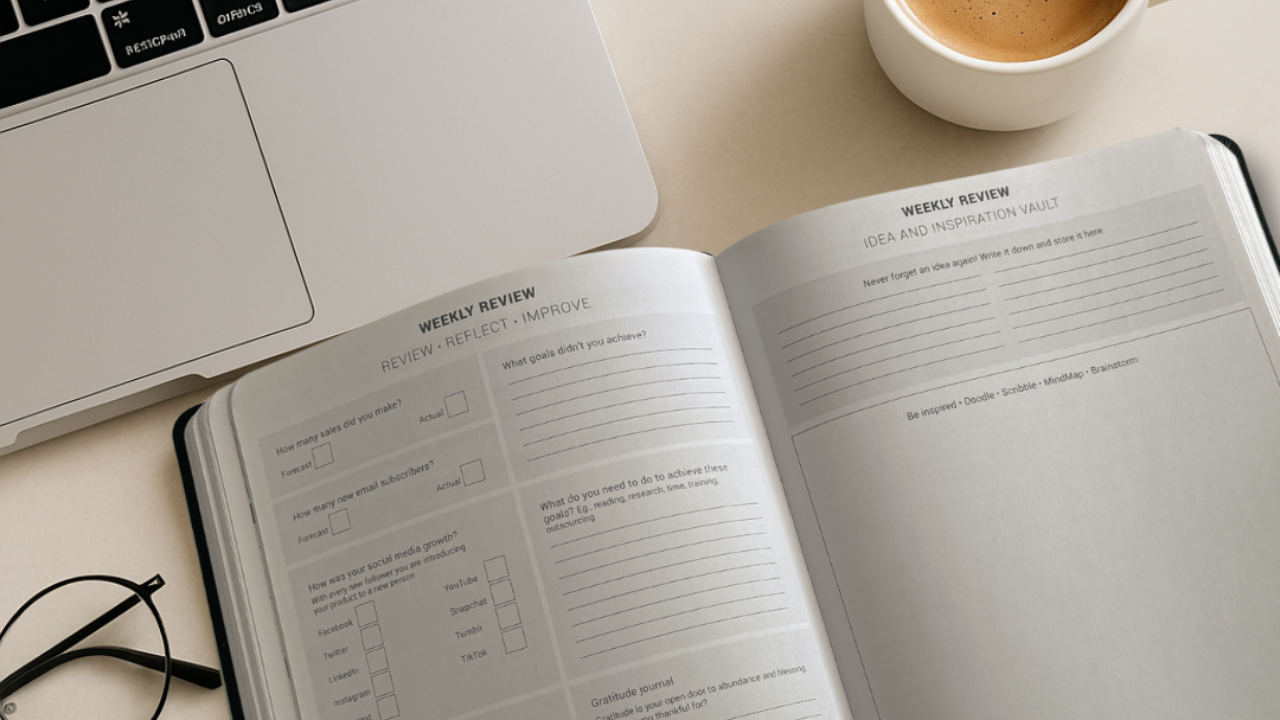
The MY PA Business Planner 2027 has a business plan section built in, so your plan lives inside your planning system instead of a folder you never open. Your annual goals, revenue targets and marketing focus sit in one place and get reviewed every month.
A plan on the shelf changes nothing. A plan you use every week changes everything.
Business Plan FAQs
Do I need a business plan if I’m not raising money?
Yes. The main value of a plan is the clarity it gives you, not what it shows a bank. It’s how you decide what to focus on and what to ignore.
How often should I update my business plan?
Review it every quarter and rewrite it once a year. If something big changes, like a new product, a new market or a change of direction, update it straight away.
What does a planner do in a business?
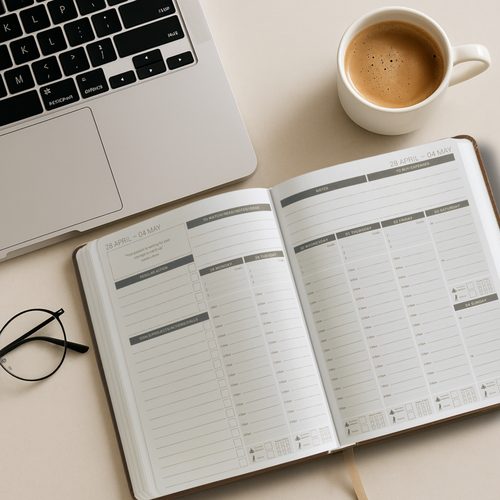
A business plan sets the direction. A business planner is where that direction becomes weekly and daily action: your goals broken into monthly targets, weekly priorities and the tasks that move them forward. Here’s how to set one up step by step.
Can I write a business plan in one day?
Yes. With a template, most small business owners can finish a first version in about two hours. It doesn’t need to be perfect. It needs to exist.
Also Read
Start your business without guessing
The Business Starter Kit gives you the plan, the pricing, and one place to run it, so you always know what to do next.
- Clear plan, step by step from idea to launch.
- Price for profit, know what to charge and what you will make.
- One Business HQ, run your entire business from one place from day one.
Start free, then choose the next step when you are ready.