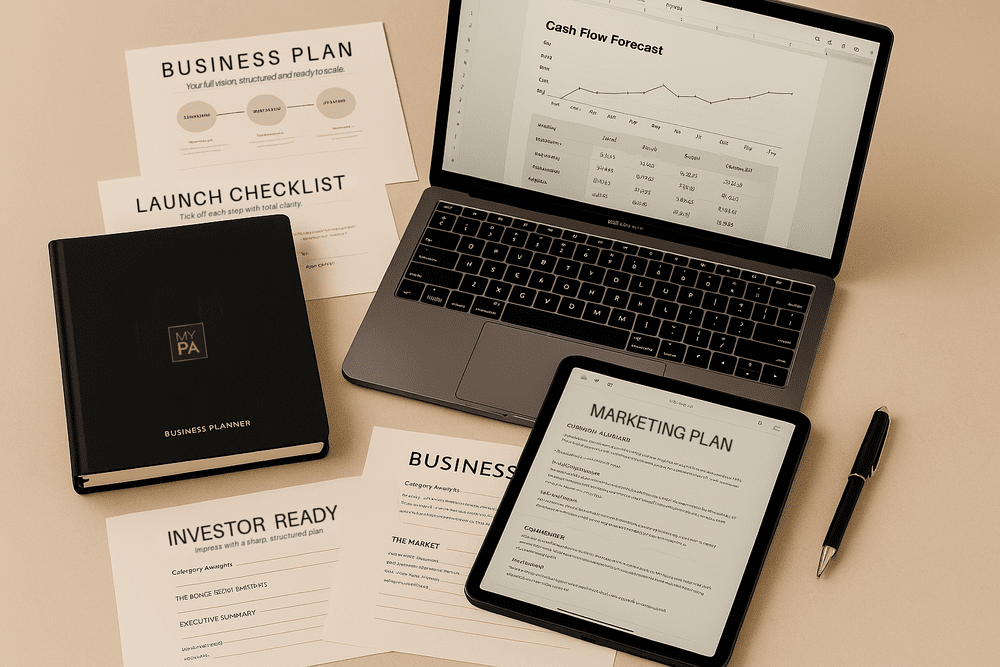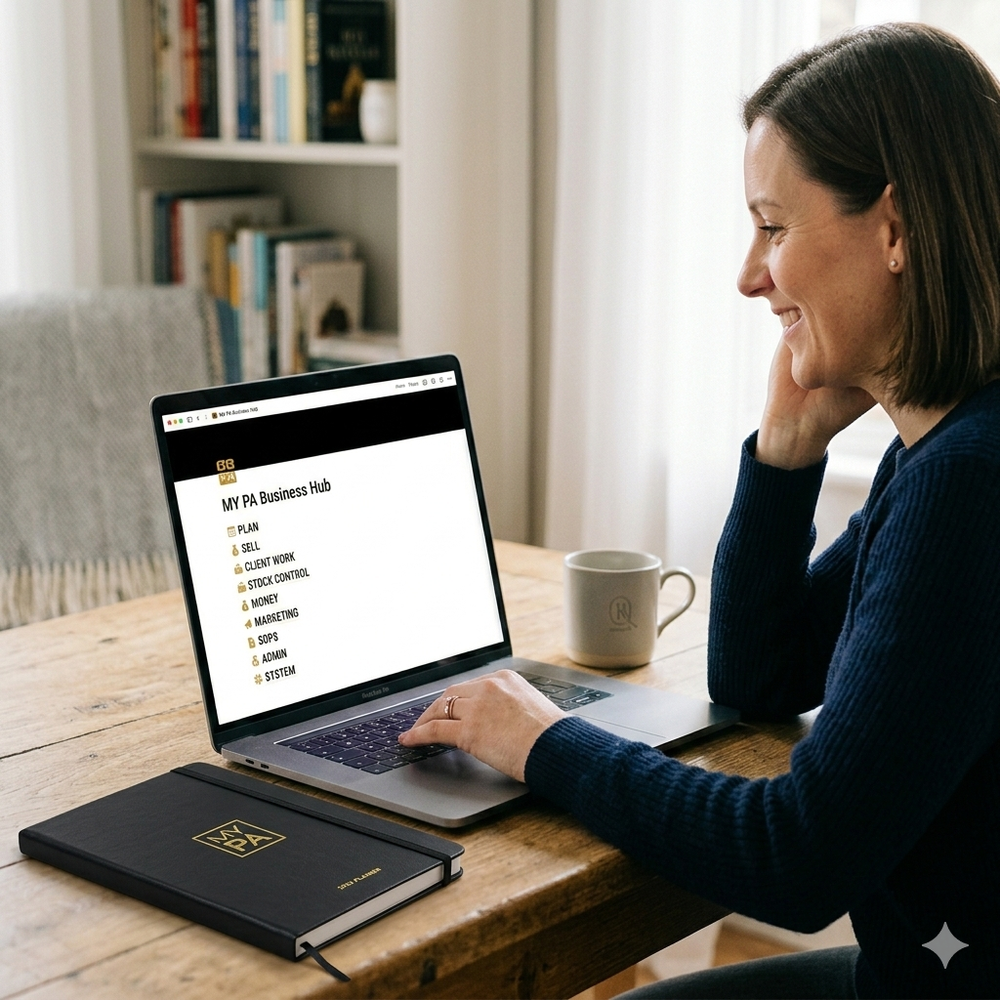

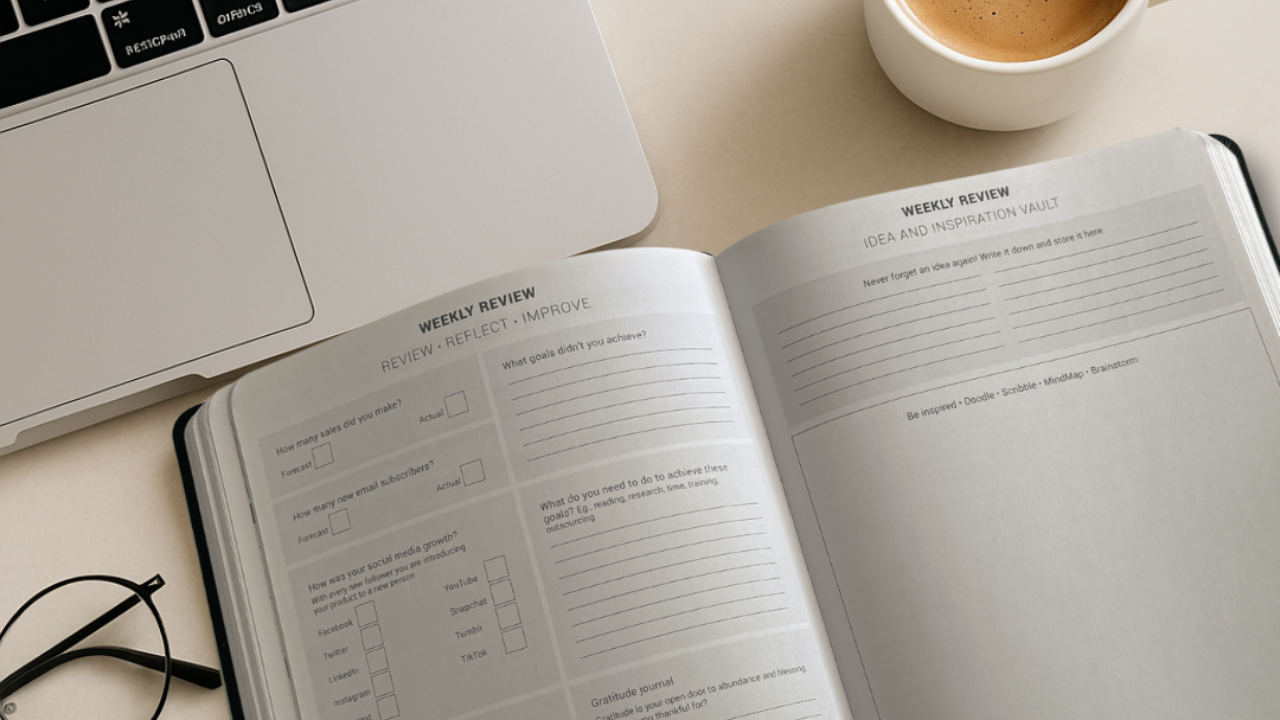
Start simple. Build clarity. Then turn it into a real plan.
If you are preparing for growth in 2026, one of the best things you can give your business is a clear, realistic and focused business plan.
Not a 40 page academic document.
Not a generic template that leaves you more overwhelmed than when you started.
You need a practical plan that helps you understand where your business is today, where you want it to be in 12 months, and most importantly, the steps you need to take to get there.
A good plan creates clarity.
A great plan creates momentum.
In this guide, you will see what to include in your 2026 business plan template, how to structure it, and how to use it throughout the year without getting lost in detail. You can start all of this on one page, then expand it into a fuller plan whenever you are ready.
Why You Need a Business Plan for 2026
The landscape for small business owners is shifting fast. Competition is higher. Customer expectations are changing. Marketing is noisier. Most entrepreneurs are carrying everything in their head.
A business plan gives you:
Clarity on your priorities
Direction for your decisions
A way to grow intentionally instead of reactively
A simple structure you can revisit each month
Confidence that you are building something sustainable
A business plan is not only for startups looking for investors. It is the foundation of every focused, profitable small business.
How the One Page Business Plan Fits In
Before you build a long document, you need a clear picture.
That is where a one page business plan is powerful. It helps you:
Capture your vision
Clarify your goals
Note your key offers
Sketch out your marketing and money
On a single page.
Every section below can exist in two versions:
A short, one page version with simple prompts and bullet points
A full version with more detail, numbers and examples
Your free one page template is the starting point. You are not trying to write a perfect book. You are trying to create a clear snapshot you can actually use.
What Your 2026 Business Plan Template Should Include
Here is the structure that works well for small business owners. You can keep it light for the one page version and expand it inside a fuller plan when you are ready.
1. Executive Summary (Write This Last)
A short overview of who you are, what you do and where you are heading in 2026.
On your one page plan, this might be just a few lines:
What you do
Who you help
Your main focus for the year
In a fuller plan, you can add more detail, but keep it tight. This is your clear “elevator pitch”.
2. Your Vision for 2026
This is the bigger picture. It keeps you connected to why you are doing this.
Questions to answer:
What does success look like by December 2026?
How do you want your business to feel day to day?
What needs to change for that to happen?
On the one page template, this might be three short sentences. In a full plan, you can add more, but the goal is clarity, not drama.
3. Your Goals for the Year
These are the measurable results you want in 2026.
Examples:
Revenue target
Number of clients or sales
A new product or service launched
Better systems behind the scenes
More visibility and reach
On the one page version, list your top three to five goals. In a fuller plan, you can break them down by month, but start with the main ones that move the needle.
4. Marketing and Audience Strategy
This section stops your marketing from becoming random.
Include:
Who your ideal customer is
Their main problems or desires
Where they already spend time online
Your main marketing channels (for example Instagram, email, SEO, ads)
How you plan to turn attention into sales
On the one page plan, capture the essentials in bullets. Later, in a full plan, you can expand this into a content plan, launch calendar or email strategy.
5. Competitor and Market Overview
You do not need a long report, you just need awareness.
Note:
Who else sells something similar
What makes you different
Where you see gaps or opportunities in 2026
On your one page template, this might be a short list of names and one line on your key difference. In a full plan, you can explore it more, but keep it honest and direct.
6. Your Offers and Pricing
Most small business owners keep offers and prices in their head and change them on the fly. That makes planning and selling harder than it needs to be.
Here, list:
Your main offers
What is included
Your core price and any payment plans
Any packages or bundles
On the one page plan, note your key offer stack and main price points. In a full plan, you can map out future offers and changes you intend to make during the year.
7. Financial Plan
This is the part many people avoid, but it is where you build real confidence.
Your 2026 plan should include:
Monthly and yearly revenue targets
Key expenses
Profit goals
A simple view of cash flow
Any tools, software or support you need to invest in
On the one page template, keep it simple. One yearly revenue target, one profit goal and a short list of main expenses. In a fuller plan, you can move this into proper spreadsheets and projections.
8. Projects for 2026
These are the bigger pieces of work that support your goals.
Examples:
Refreshing your website or branding
Launching a new service or product
Building an email welcome sequence
Improving client onboarding and delivery
Creating a digital version of an existing offer
On the one page version, choose a handful of key projects and give each one a rough timing. In a full plan, you can break these down further into tasks and milestones.
9. Operations and Systems
This is how your business actually runs.
Consider:
How clients move through your process
What tools and platforms you use
Which parts of your work can be streamlined
Anything you want to delegate or automate this year
On the one page plan, you might capture one or two systems you want to improve first. In a detailed plan, you can document new workflows or standard operating procedures.
10. Your 12 Month Focus
Your business plan should not live in a drawer. It should guide your month to month choices.
Instead of planning every detail, use this section to map a simple view of the year:
The main goals you will focus on in different seasons
Any key launches, events or campaigns
One core priority project per month at most
On the one page template, this might look like a simple list by month with one focus each. In a fuller plan, you can add more, but keep the high level structure visible so your day to day planning is easier.
How to Use Your Business Plan Throughout the Year
A business plan only works if you keep it alive and visible.
Your rhythm for 2026 could be:
Monthly: review your goals, adjust your focus for the month, check in on your numbers
Weekly: look at your projects, pick your priorities and make sure your actions match your plan
Regularly: update your plan when things change, instead of starting from scratch each time
Your business plan is a living document, not something you write once and forget. It should support you, not sit in the background making you feel guilty.
Download Your Free One Page 2026 Business Plan Template
If you want an easy way to get started, you can download the free MY PA one page business plan template here:
👉 https://www.mypaplanner.com/one-page-business-plan
(use your correct link here when you upload)
Use it to map out your vision, goals, offers and projects on a single page. Then, when you are ready, you can turn that one page into a fuller plan using the same structure.
If you want more support, systems and finance tools to go beyond one page, you can move into the full MY PA business planning system inside:
The MY PA Business Planner, for paper and digital planning
The Business Starter Kit, if you want templates, examples and financial tools that match this structure
Start simple. Get it onto one page. Then build from there.
Download Your Free One Page Business Plan Template
Start your business without guessing
The Business Starter Kit gives you the plan, the pricing, and one place to run it, so you always know what to do next.
- Clear plan, step by step from idea to launch.
- Price for profit, know what to charge and what you will make.
- One Business HQ, run your entire business from one place from day one.
Start free, then choose the next step when you are ready.